

1999 Pokémon Card Values & Price Guide
1999 is the year the Pokémon TCG reached English-speaking players, and almost every 1999 card people scan comes from its first three sets: Base Set, Jungle and Fossil account for about 95% of the year's scans. The single most scanned card is not a holo at all, but a Fighting Energy.
Identify and check your exact copy


288indexed card records
$0.13–$240,000recorded grade range
Guide coverage
Latest source update Oct 25, 2026What this guide includes
This guide currently covers 288 indexed card records across 8 sets and the 1999 release year. The displayed estimate range is $0.13–$240,000. It reflects records available in TCG Value Scanner, not a complete manufacturer checklist.
Lowest indexed raw or primary estimateSwitch$0.13
Highest indexed raw or primary estimateGengar$5,957
Values are directional estimates rather than guaranteed sale prices. Read how estimates and scan ranges are produced.
From the app
Latest scan Oct 25, 2026What collectors scan
Cards in this guide have been scanned 5,403 times in TCG Value Scanner. The printings scanned most:
- Fighting Energy #97 1999 Pokemon Base Set 169 scans · 3%
- Haunter #6 1999 Pokemon Fossil 104 scans · 2%
- Machamp #8 1999 Pokemon Base Set 99 scans · 2%
Scans by set
- 1999 Pokemon Base Set37%
- 1999 Pokemon Jungle34%
- 1999 Pokemon Fossil23%
- 1999 Pokemon Game Movie4%
- 1999 Pokemon Japanese CD Promo1%
Indexed estimates
Browse card values on this page

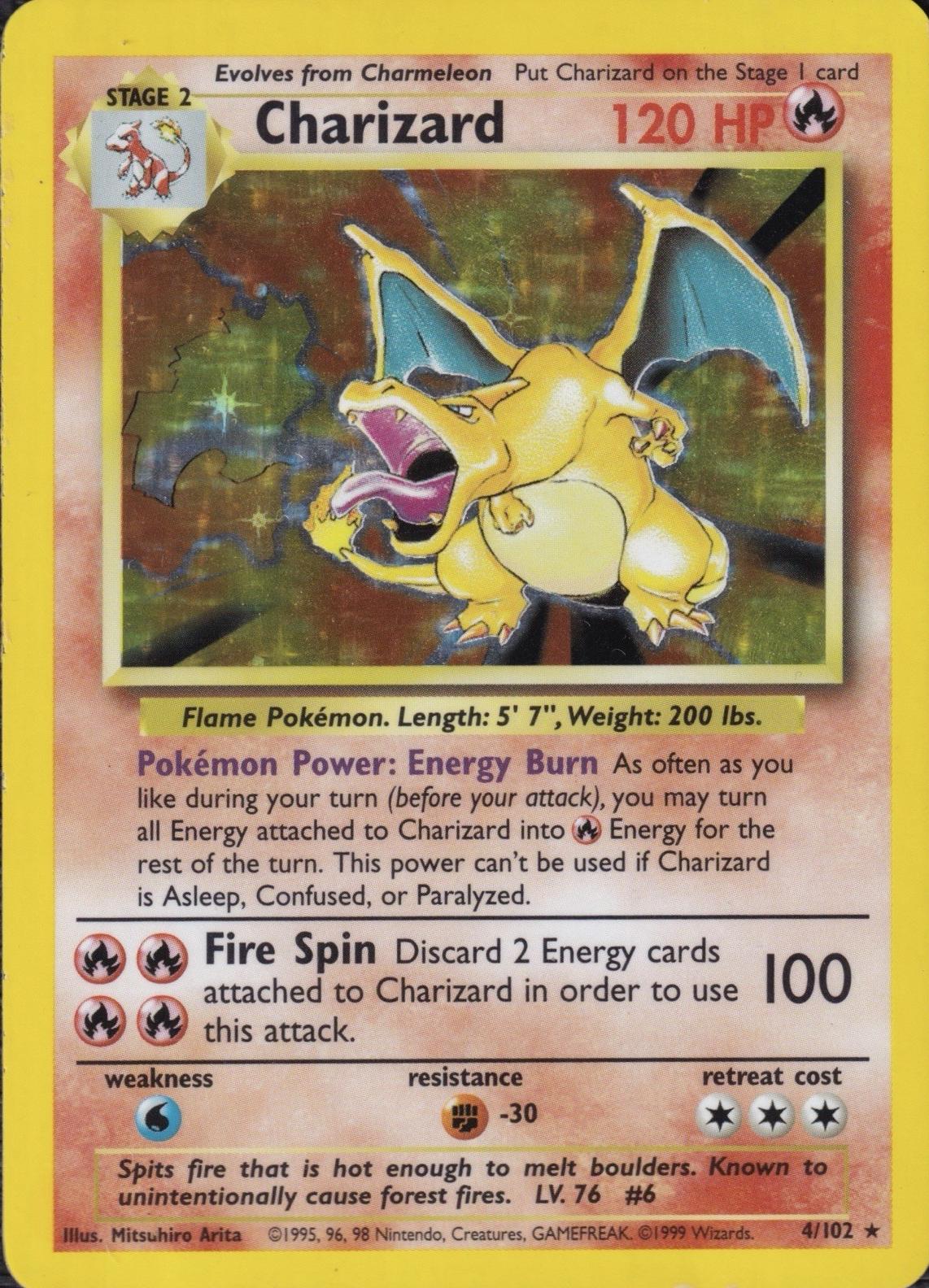


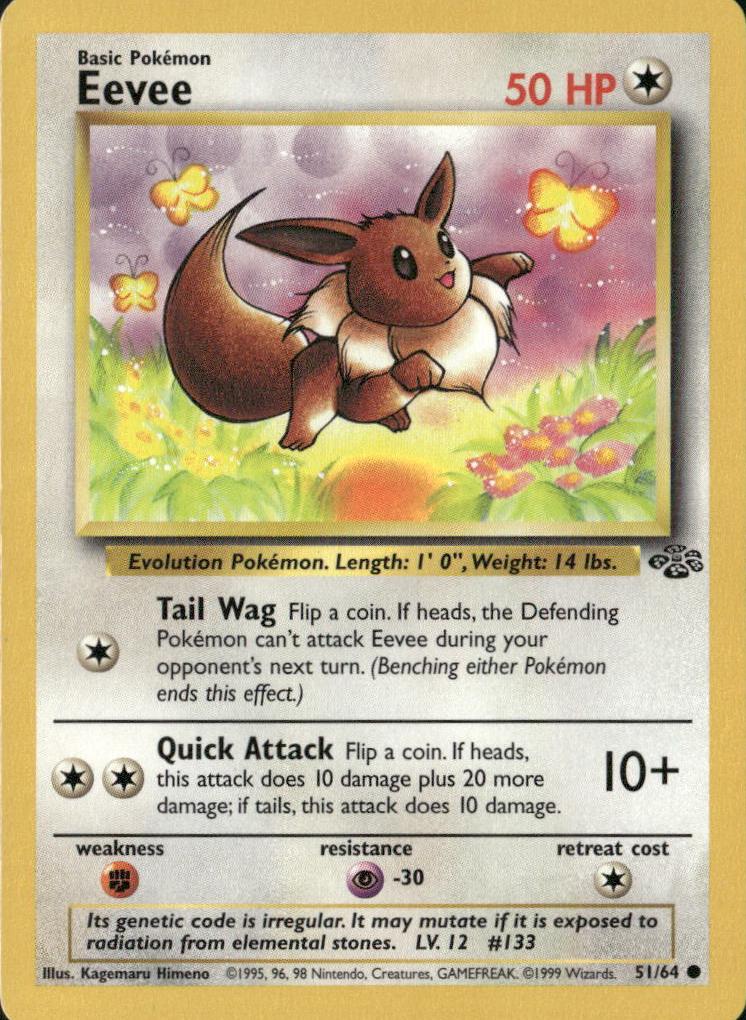


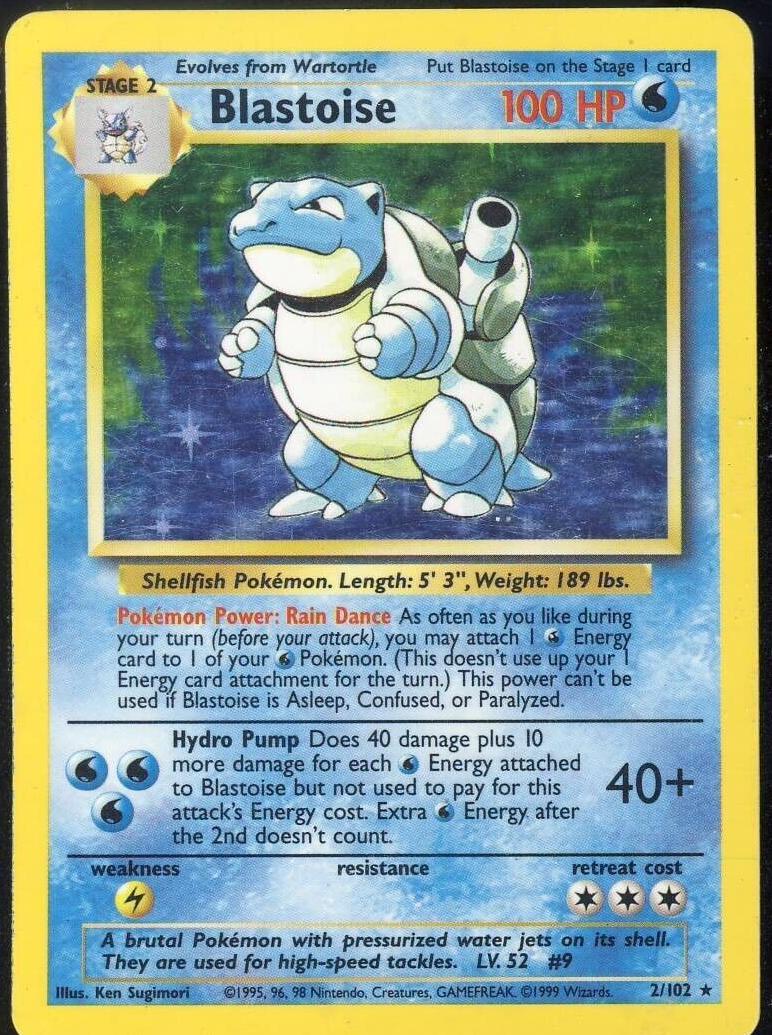
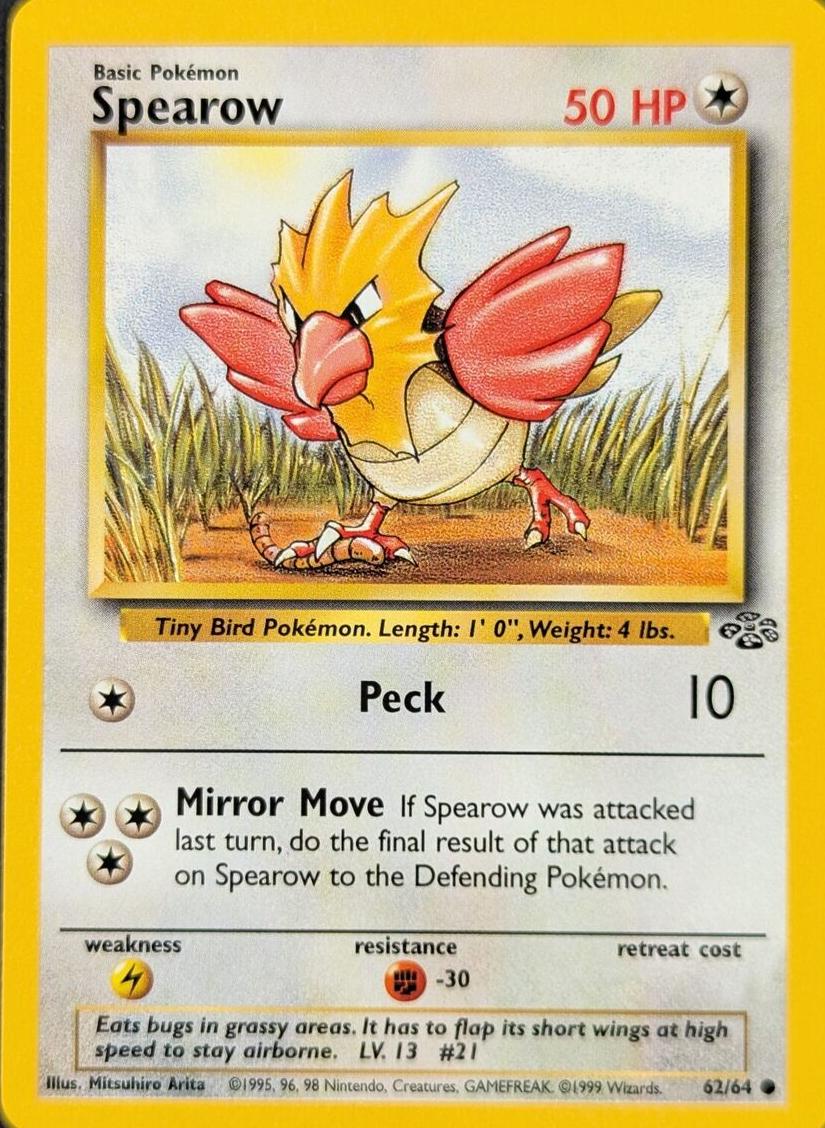


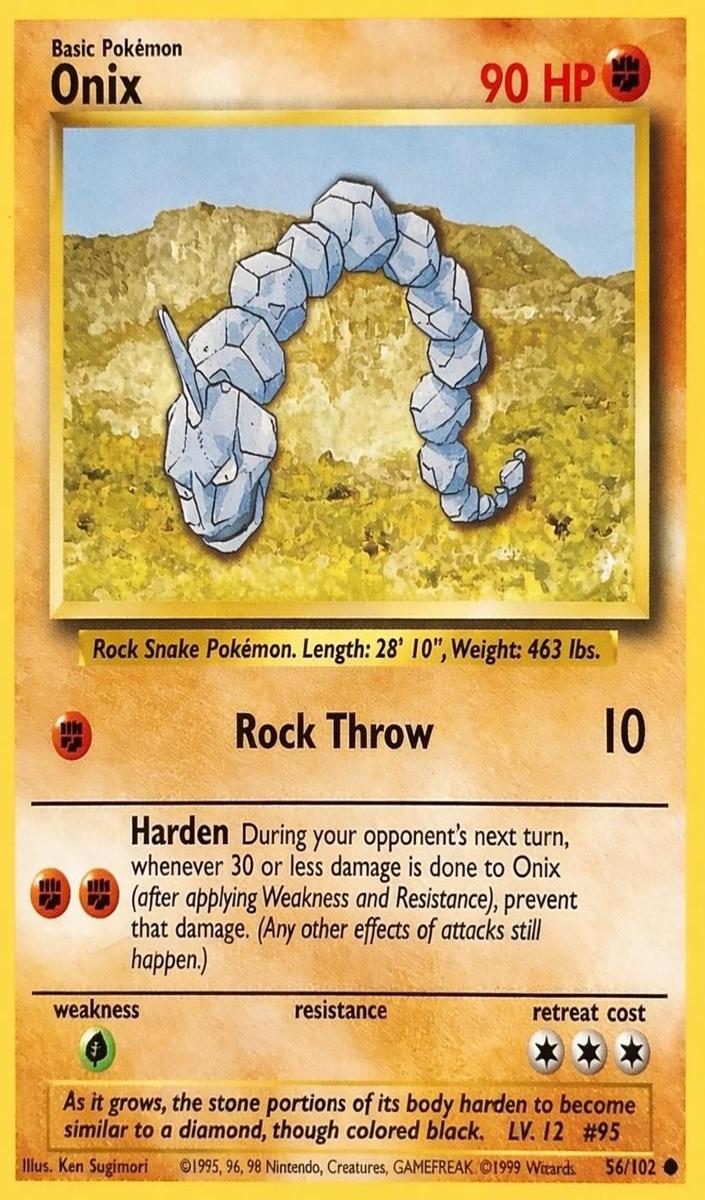
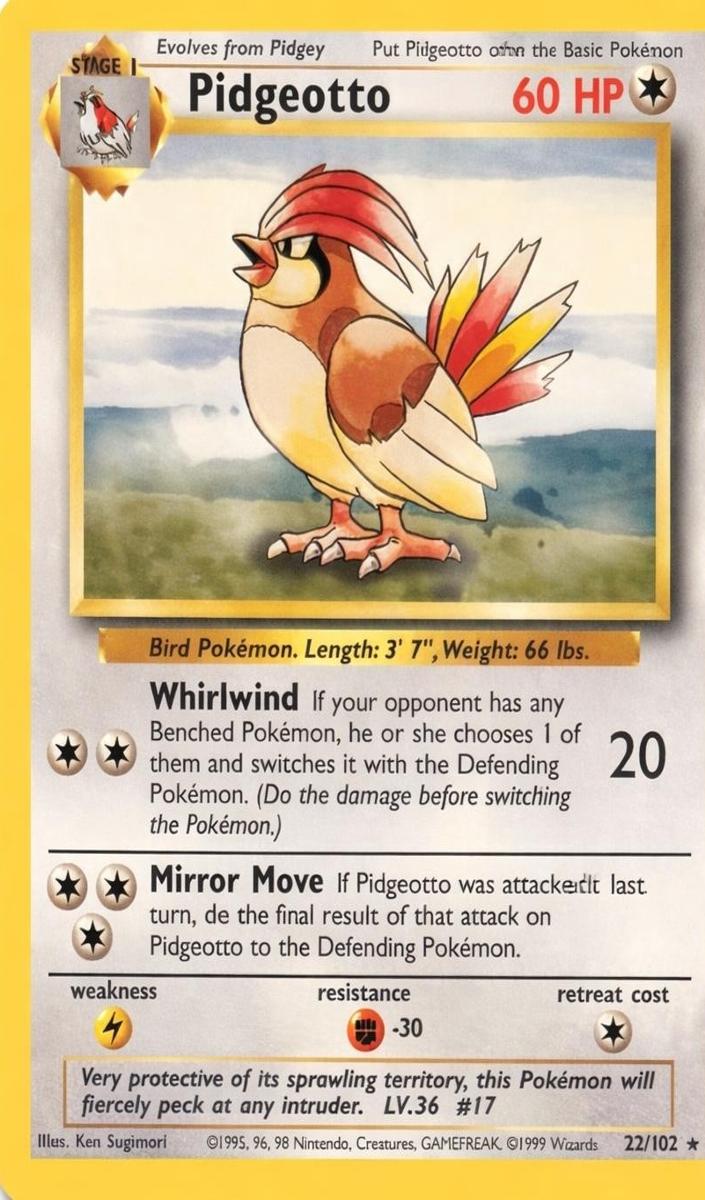


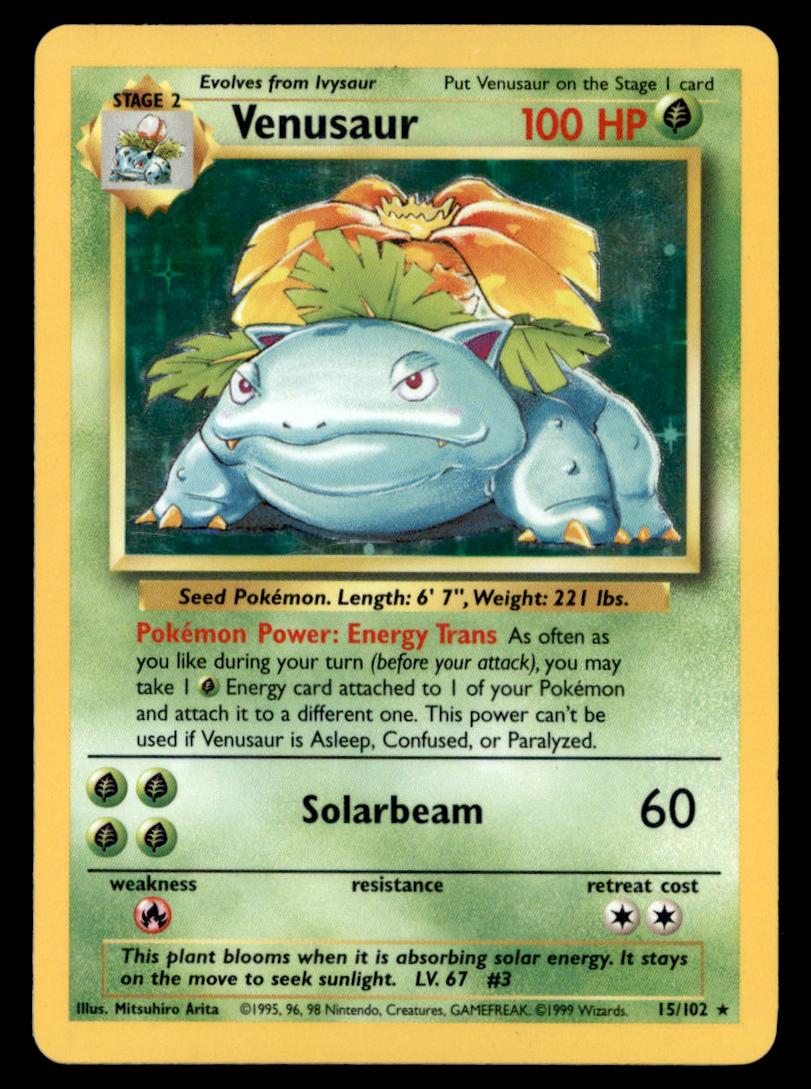


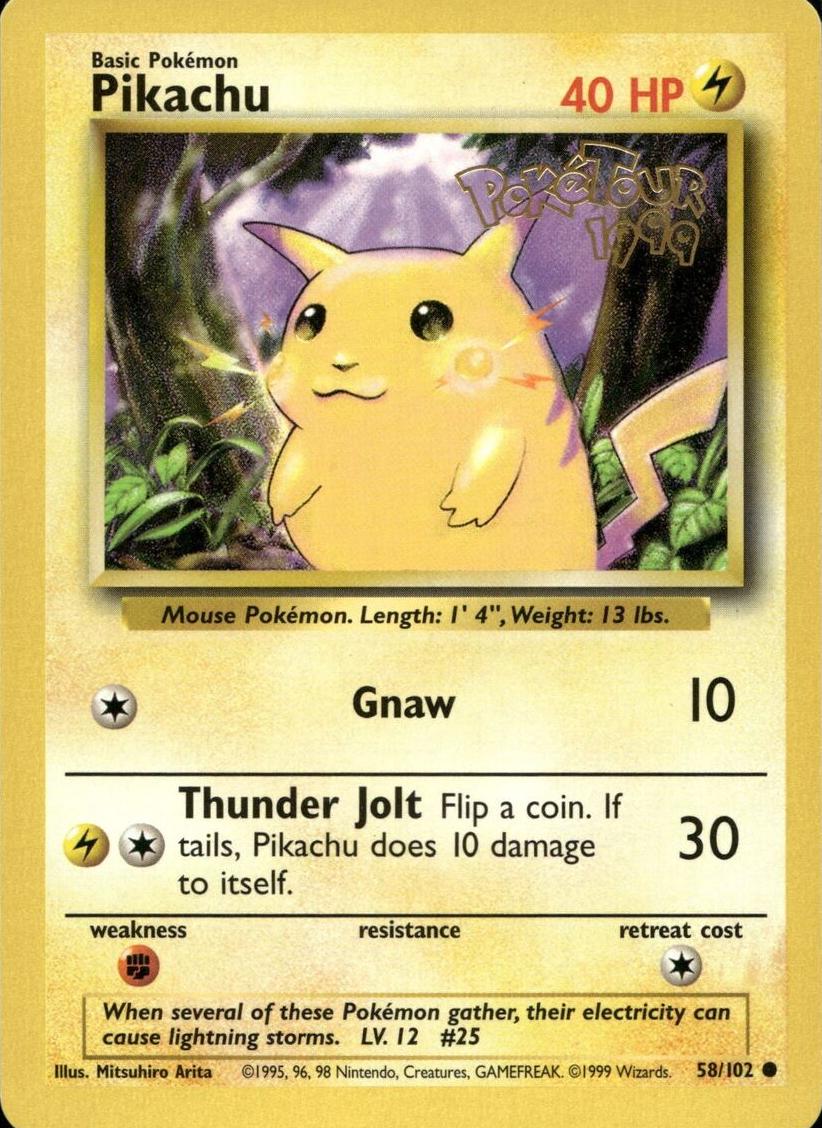


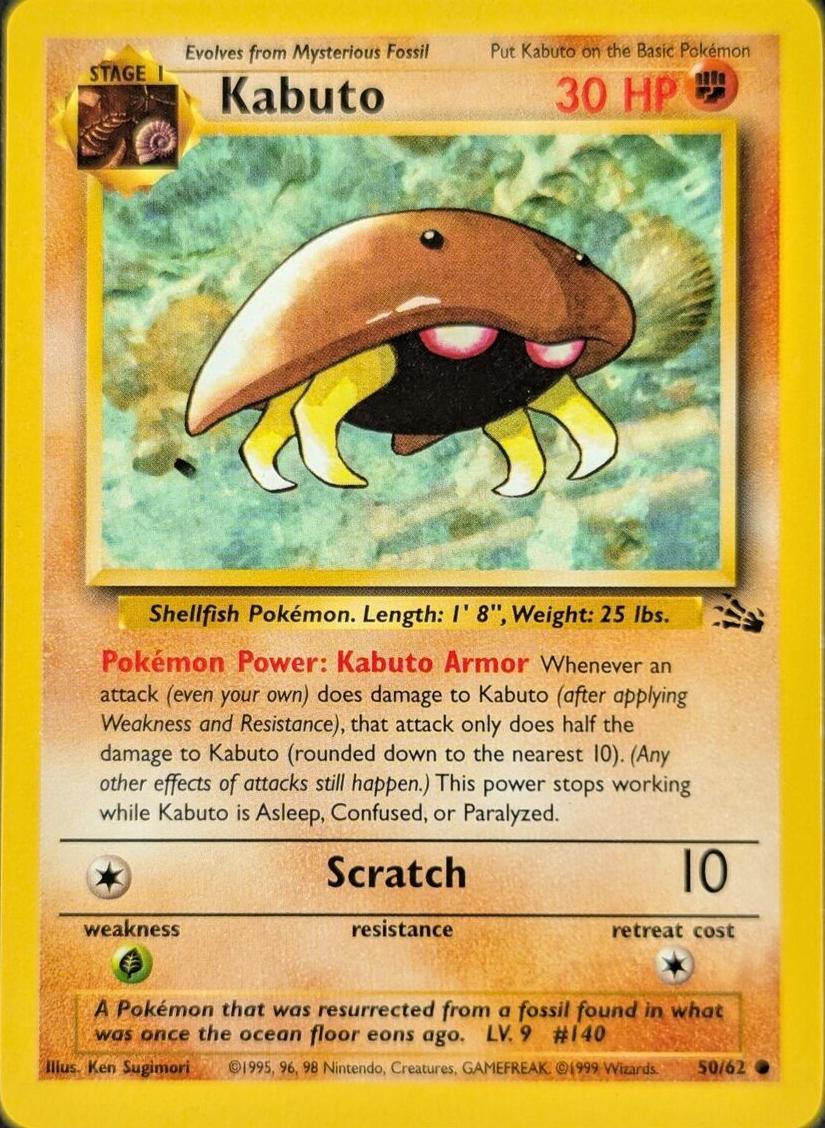


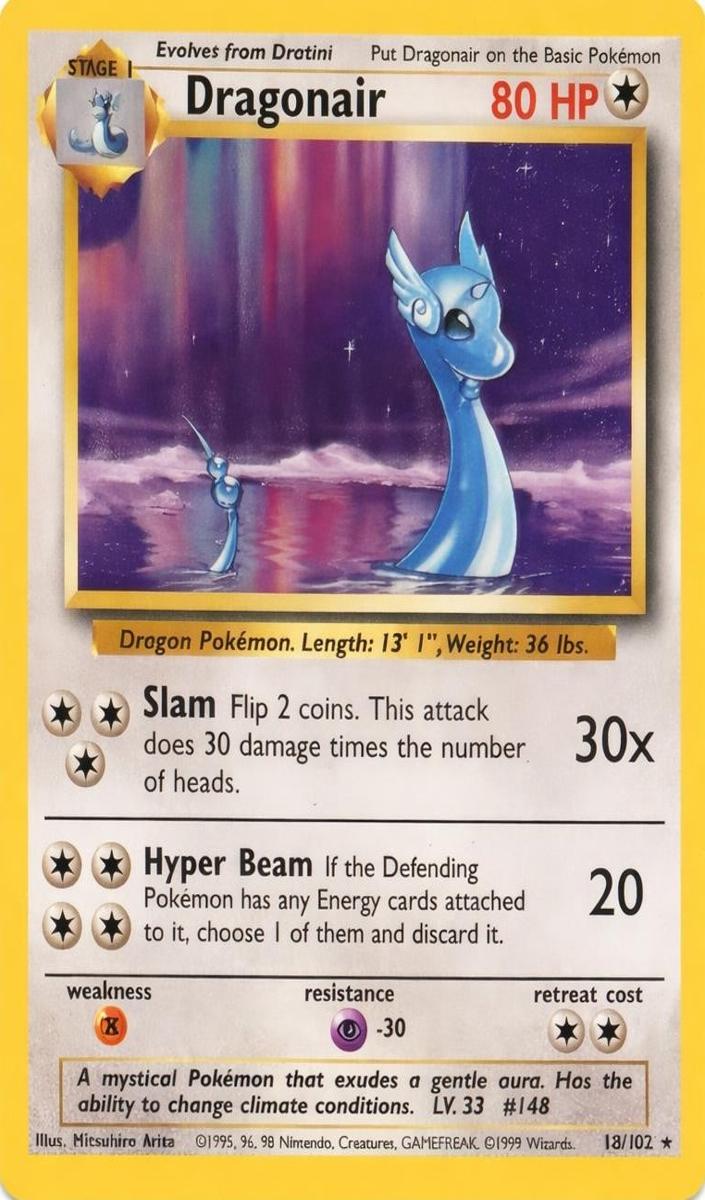


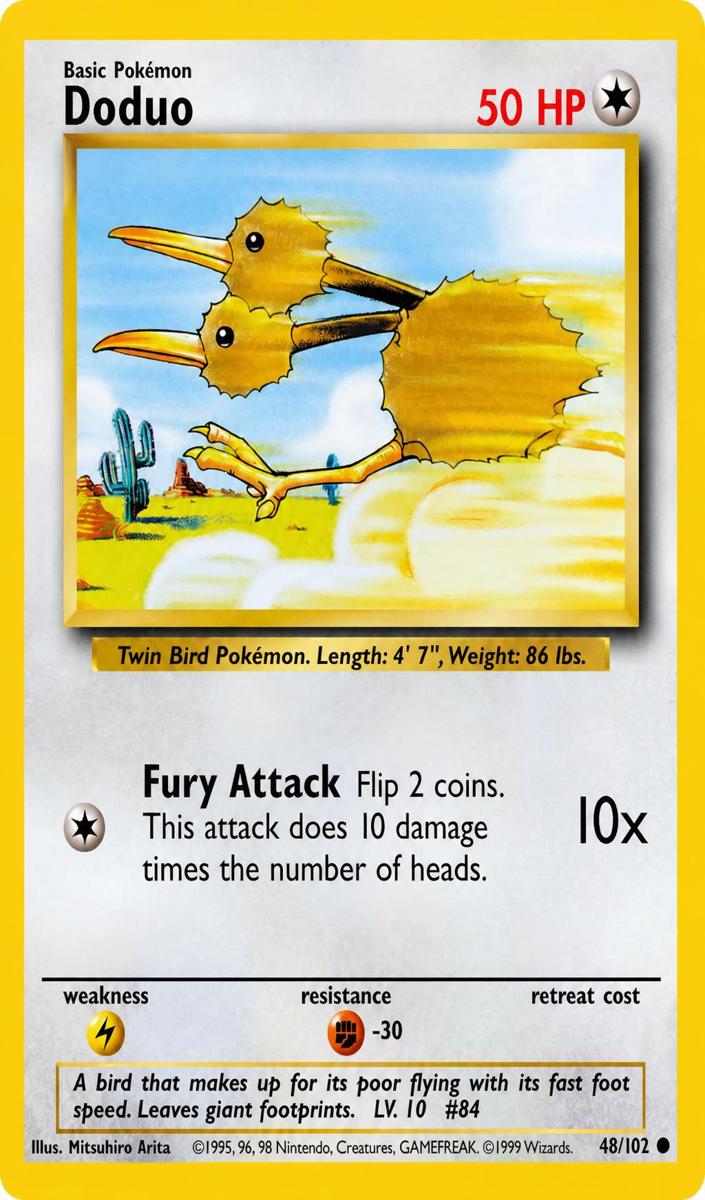


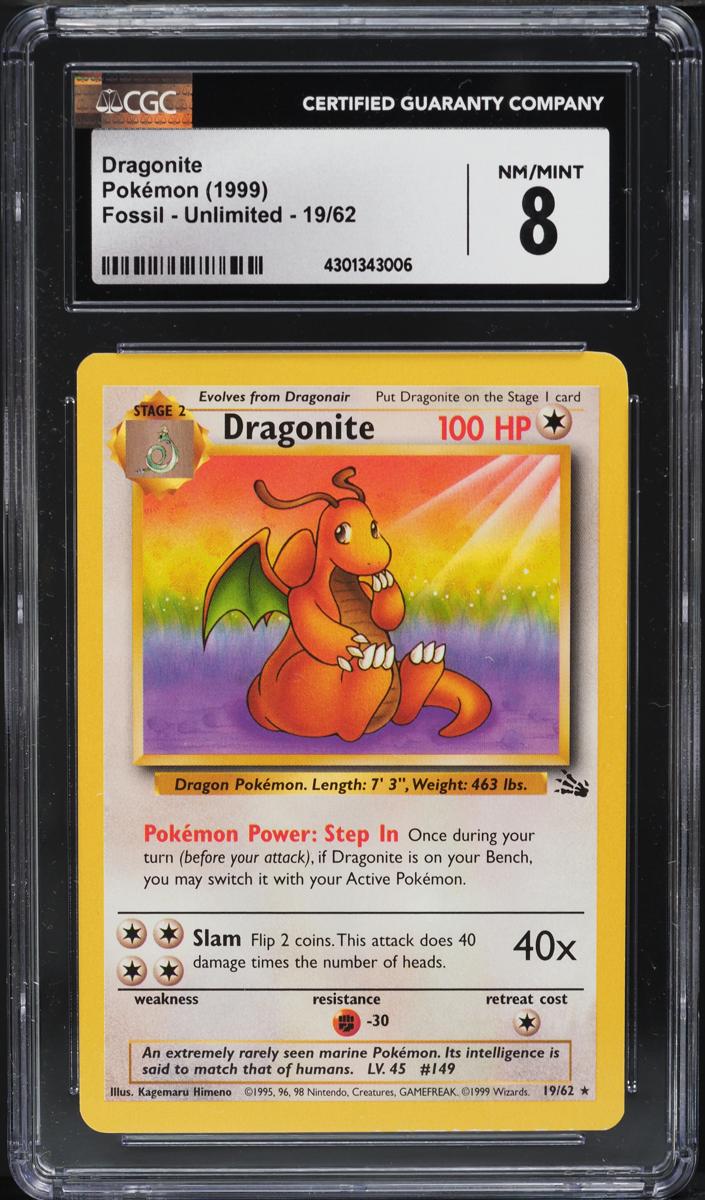


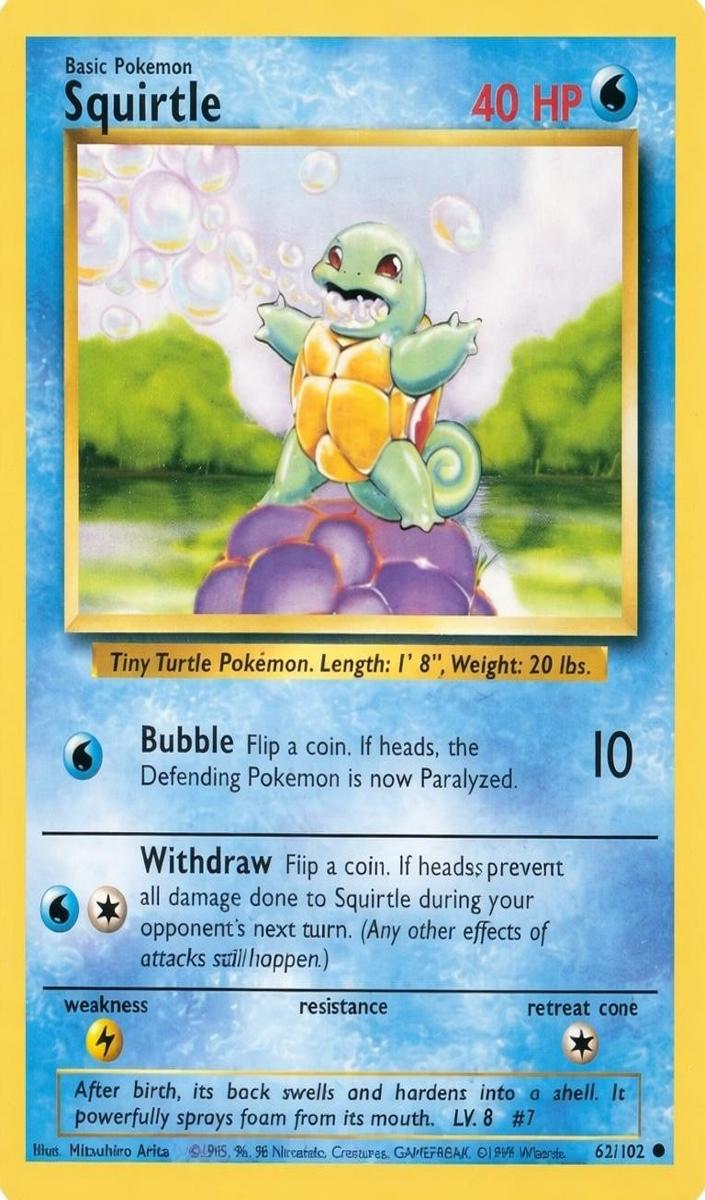

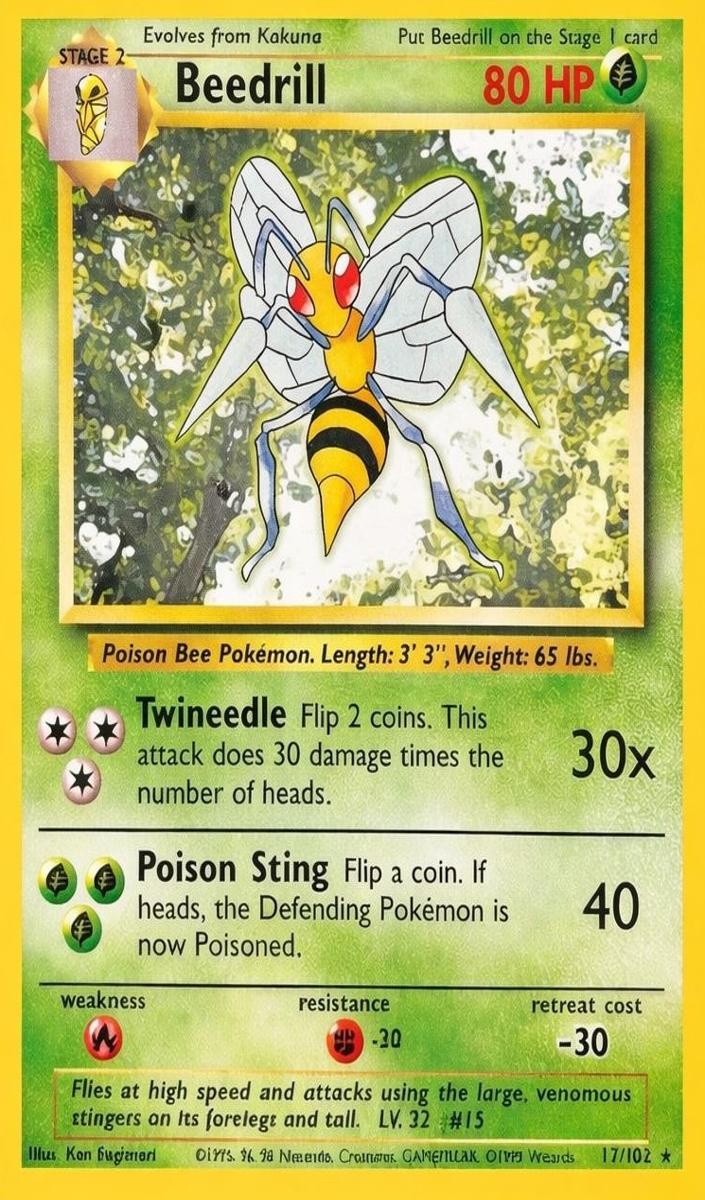


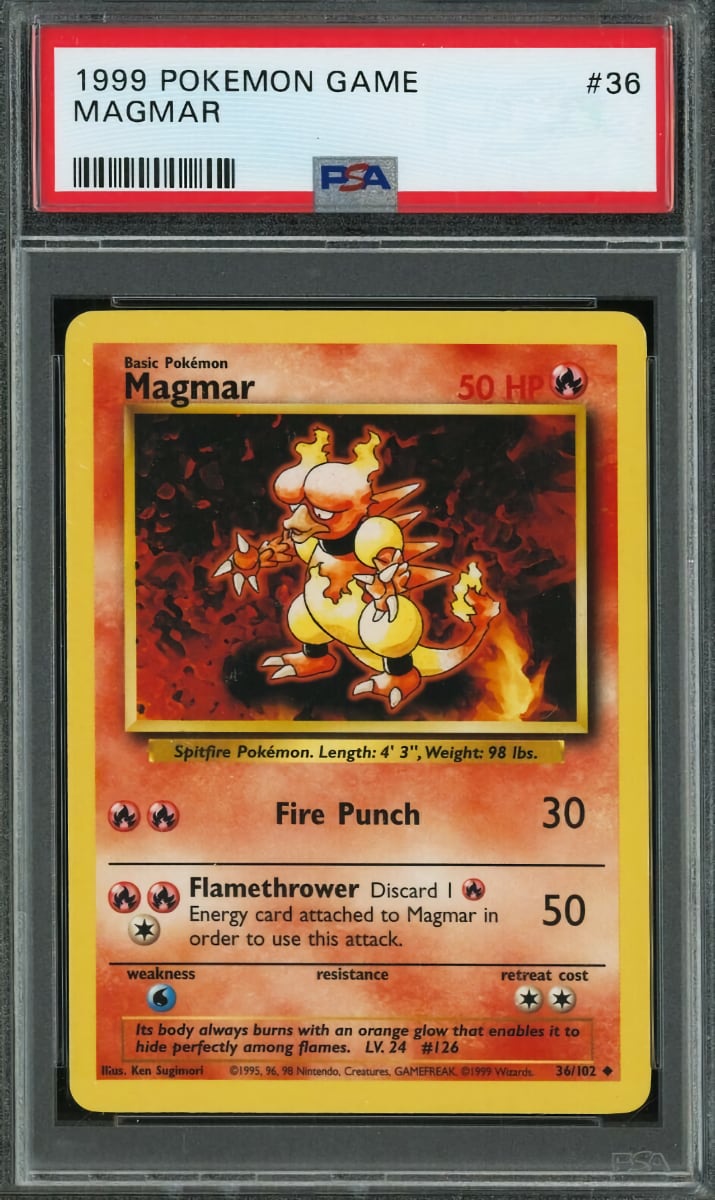

Three sets, one year
Wizards of the Coast released all three in 1999: Base Set on January 9, Jungle on June 16 and Fossil on October 10. Telling them apart takes one glance at the lower right corner of the artwork. Jungle has a symbol shaped like a Vileplume flower and Fossil has its own symbol, while Base Set is the only English set with no set symbol at all.
Base Set printed three ways
Base Set is the one 1999 set with three print runs, and they are valued very differently:
- 1st Edition. A small black "Edition 1" stamp sits just left of the artwork, below the frame.
- Shadowless. No stamp, and no drop shadow along the right edge of the art box. The HP and attack text are thinner than on later copies.
- Unlimited. No stamp, a visible drop shadow to the right of the artwork and bolder text. Most surviving copies are Unlimited.
Jungle and Fossil came in 1st Edition and Unlimited only; neither has a shadowless print. One Base Set card breaks the pattern: Machamp #8 came in the 2-Player Starter Set and was printed almost entirely with the 1st Edition stamp, so a stamped Machamp is the ordinary copy. It is the third most scanned 1999 card in TCG Value Scanner.
Jungle and Fossil holos have twins
Each holo rare in Jungle and Fossil also exists as a non-holo rare with the same artwork and a different number. In Jungle, the holos are #1–16 and their non-holo twins #17–32; in Fossil, holos are #1–15 and the twins #16–30. Fossil's Haunter #6, the second most scanned card of the year, is the holo. A Haunter with a number in the twenties is the non-holo version and is valued separately, so read the number before trusting the shine.
Why Energy tops the scans
Fighting Energy #97 is the 1999 card scanned most in the app. Basic Energy cards were printed in bulk for packs and theme decks, so they survive in huge numbers. Most are worth very little, but they belong to the set, and the app identifies them like any other card.
The Japanese cards of 1999
A handful of Japanese 1999 cards appear here as well. Challenge from the Darkness, released in Japan on June 25, 1999, supplied cards to the English Gym Heroes and Gym Challenge sets of 2000, and its Sabrina's Gengar is filed under Pokédex number 94 rather than a set number. Treat a Japanese card as a separate printing with its own value.
The vending-machine cards came the year before, in 1998; Team Rocket and the Gym sets followed in 2000. The Charizard guide compares Base Set #4 with its many reprints.
Your copy can be different
Want the value of your exact card?
Scan it to identify the precise print, review condition and save it to your collection.