

Find the value of your exact card
The TCG Value Scanner price guide covers the cards collectors actually scan in the app — Pokémon, Magic: The Gathering, Yu-Gi-Oh!, One Piece and the major sports — with a value estimate for each exact printing. Pick a game or sport below.
Trading card games
Sports cards
6663 indexed values
View all Pokémon values
Pokémon cards


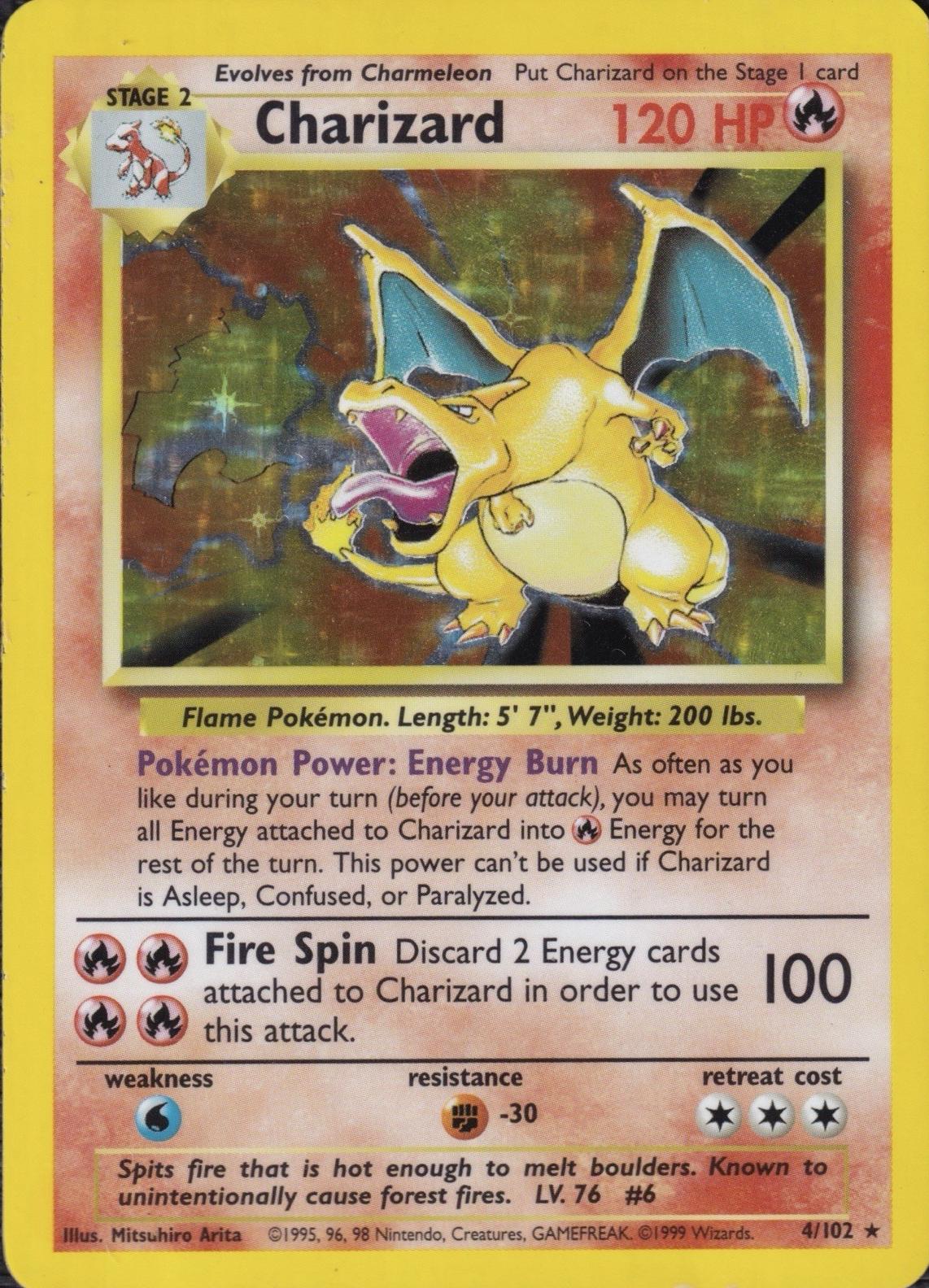


140 indexed values
View all Magic values
Magic: The Gathering cards
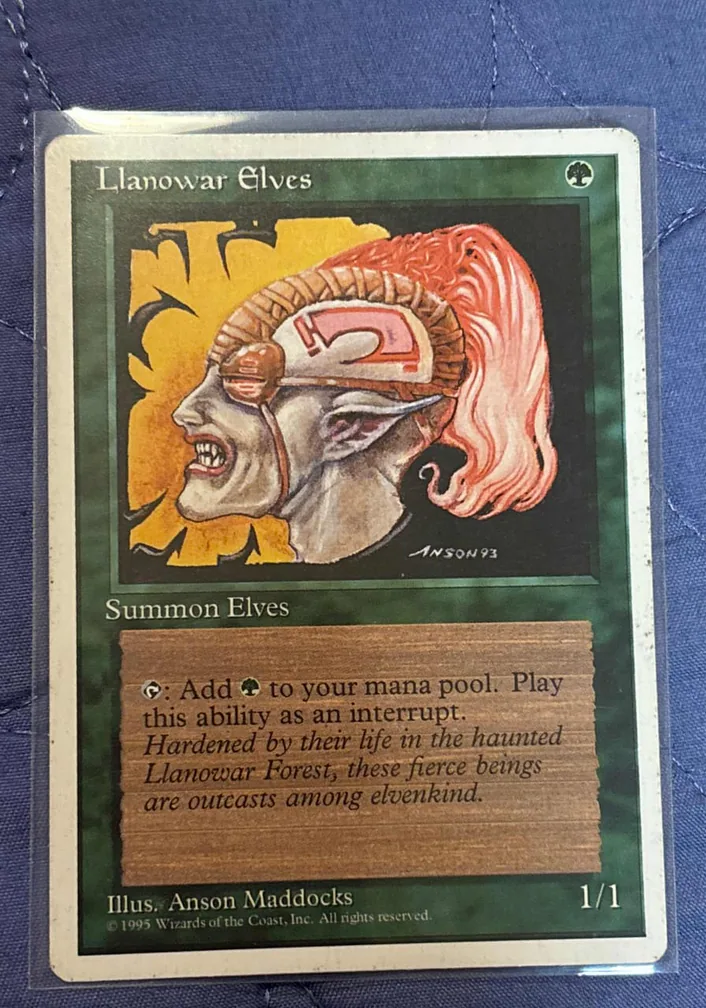


149 indexed values
View all Yu-Gi-Oh! values
Yu-Gi-Oh! cards


15 indexed values
View all One Piece values
One Piece Card Game cards
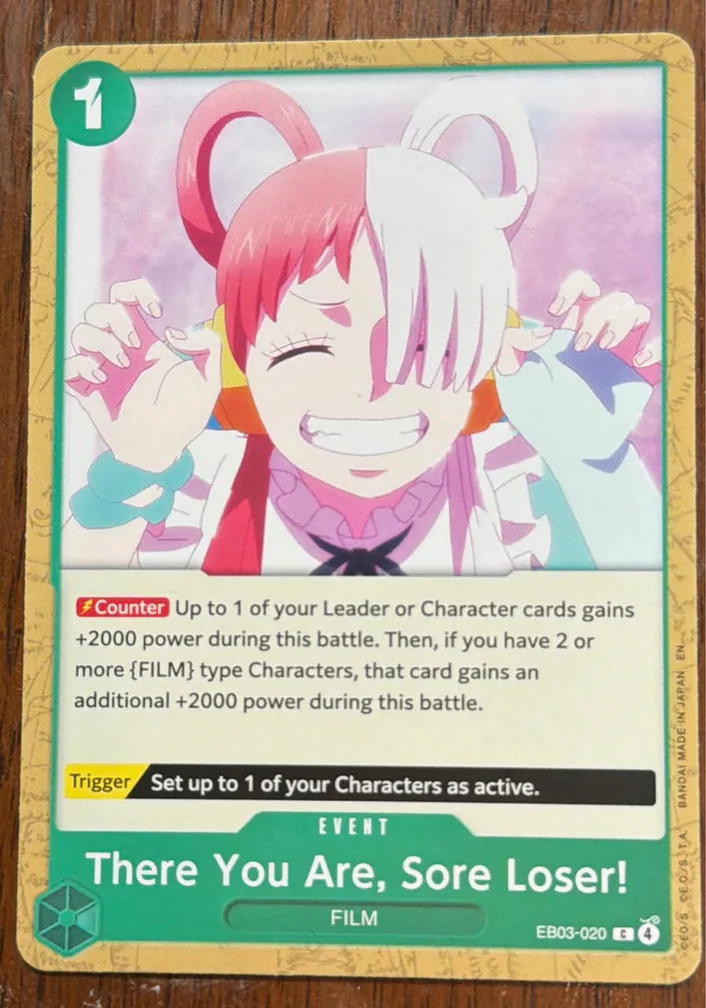
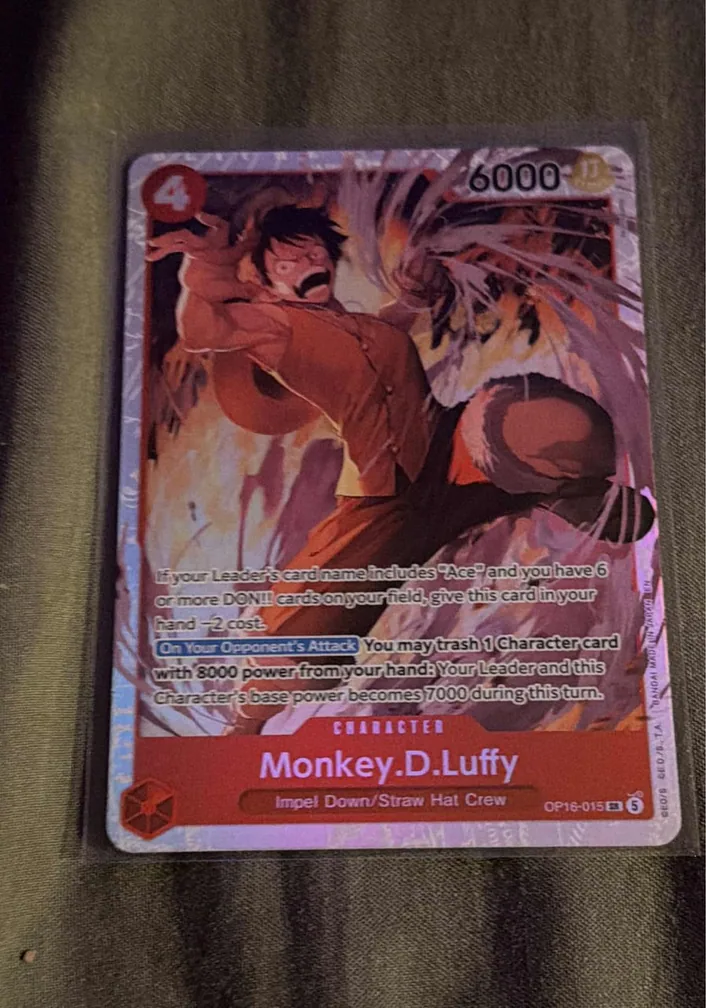
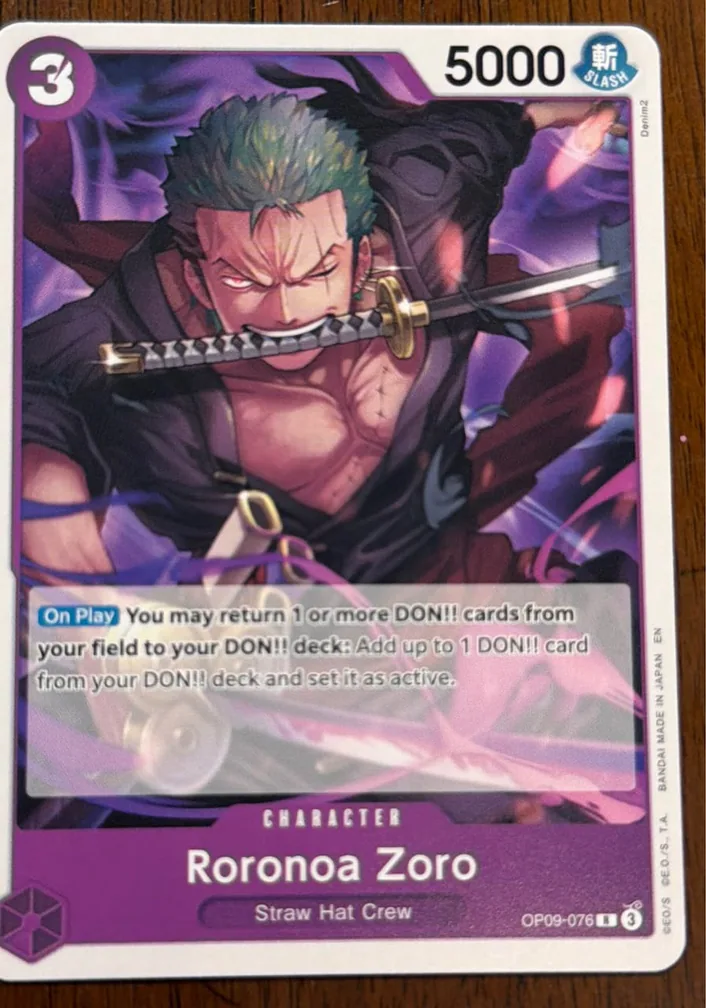

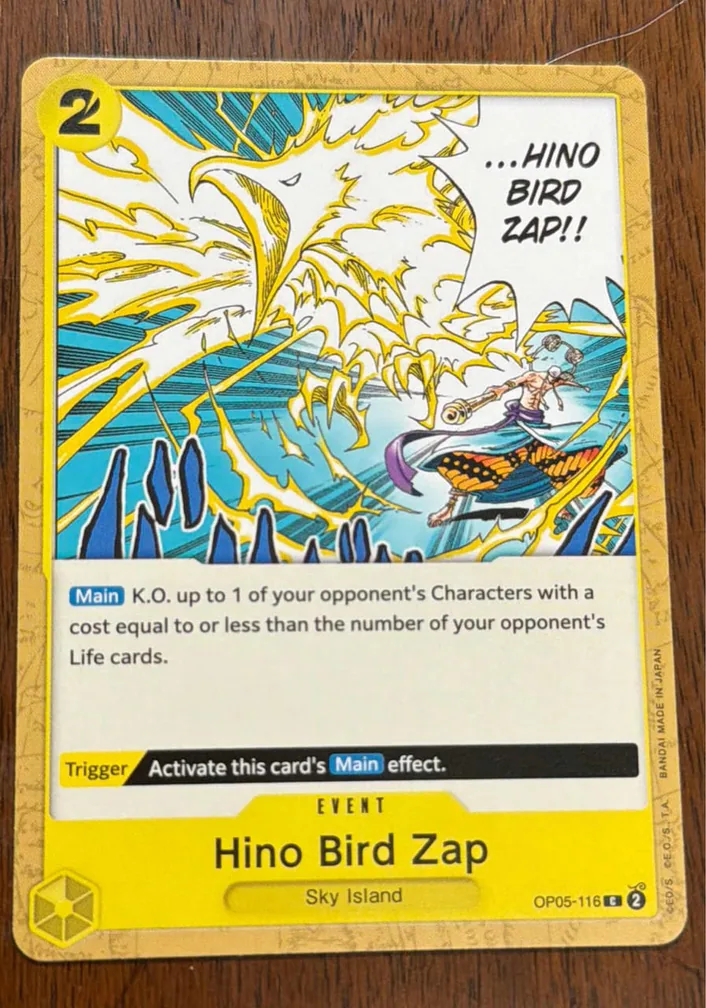
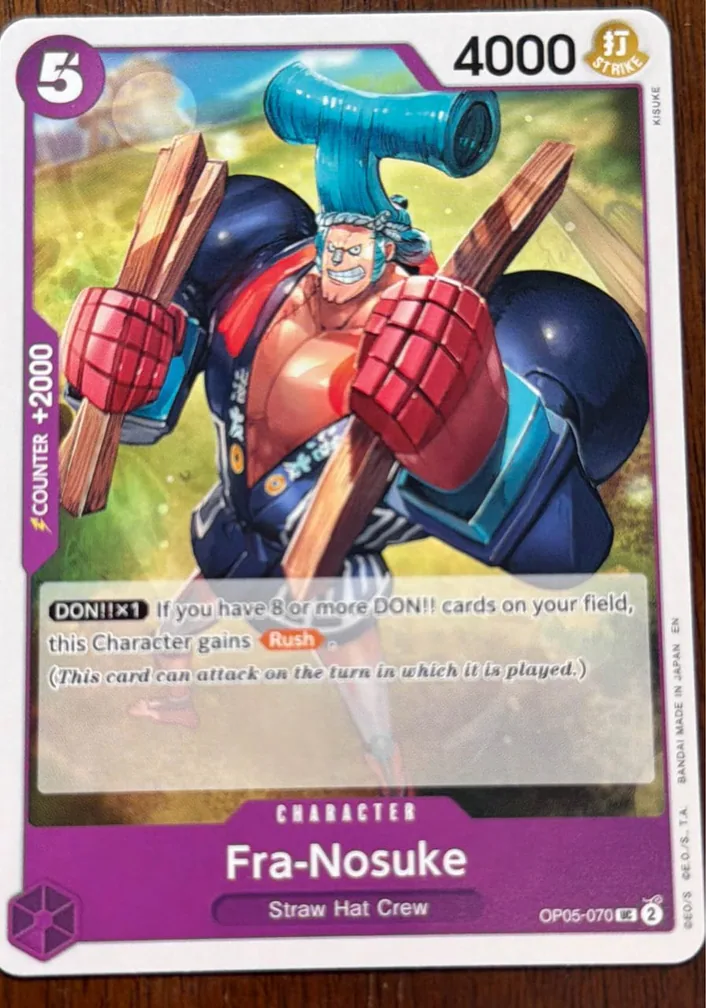
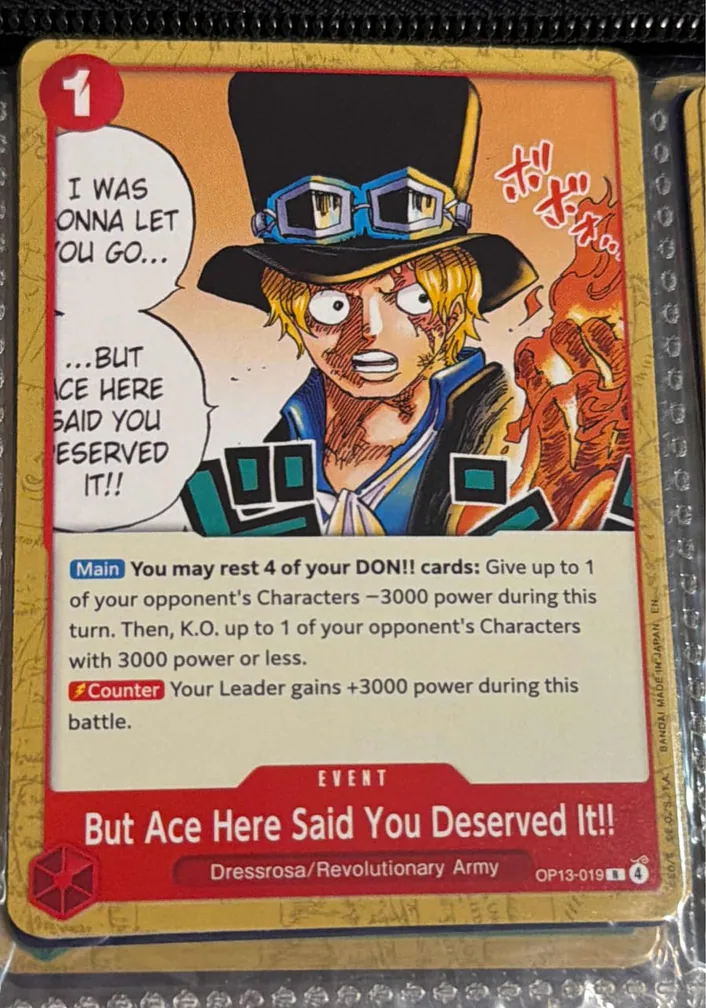
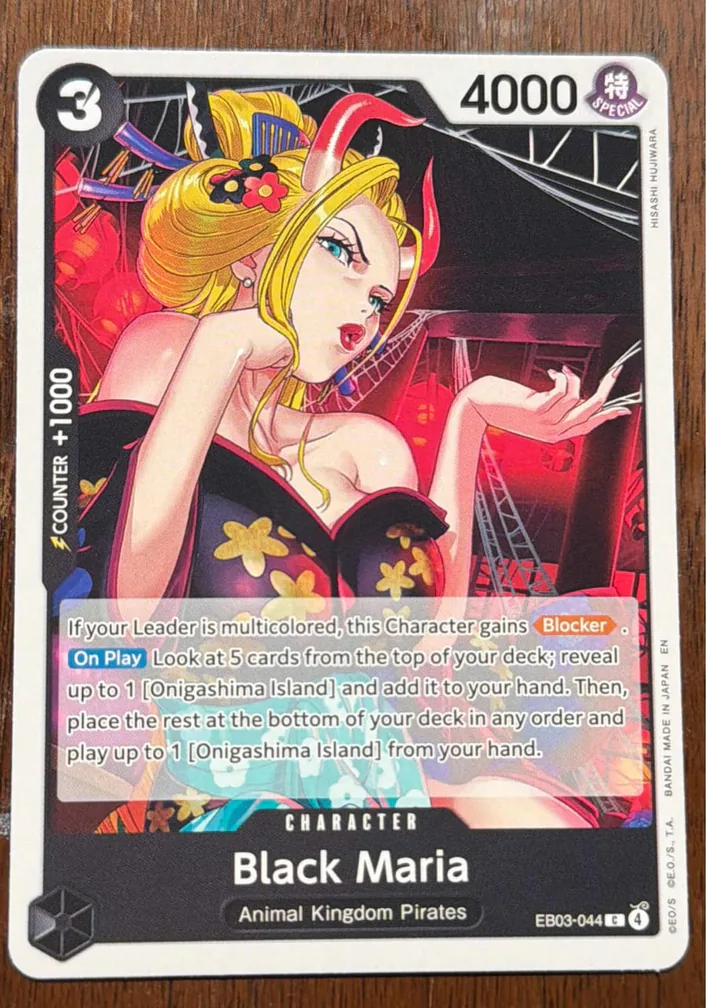
3 indexed values
View all Dragon Ball values
Dragon Ball Super Card Game cards
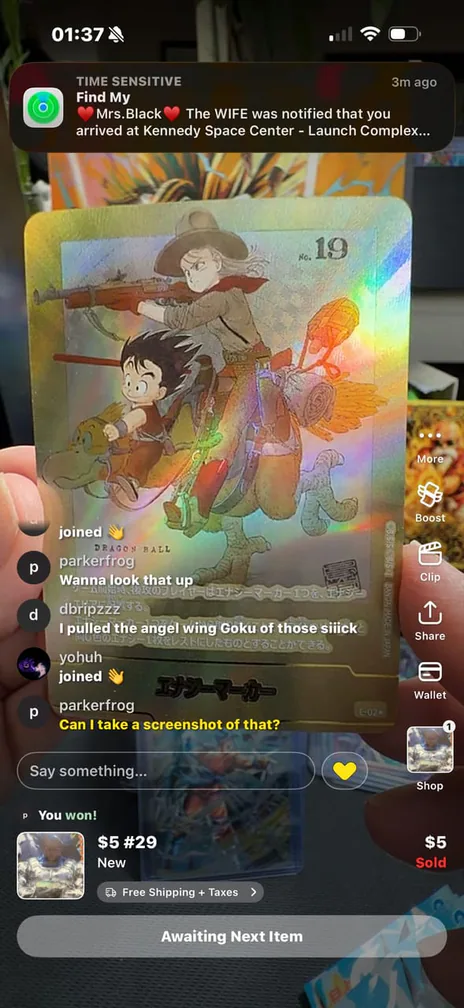
1788 indexed values
View all Baseball values
Baseball cards
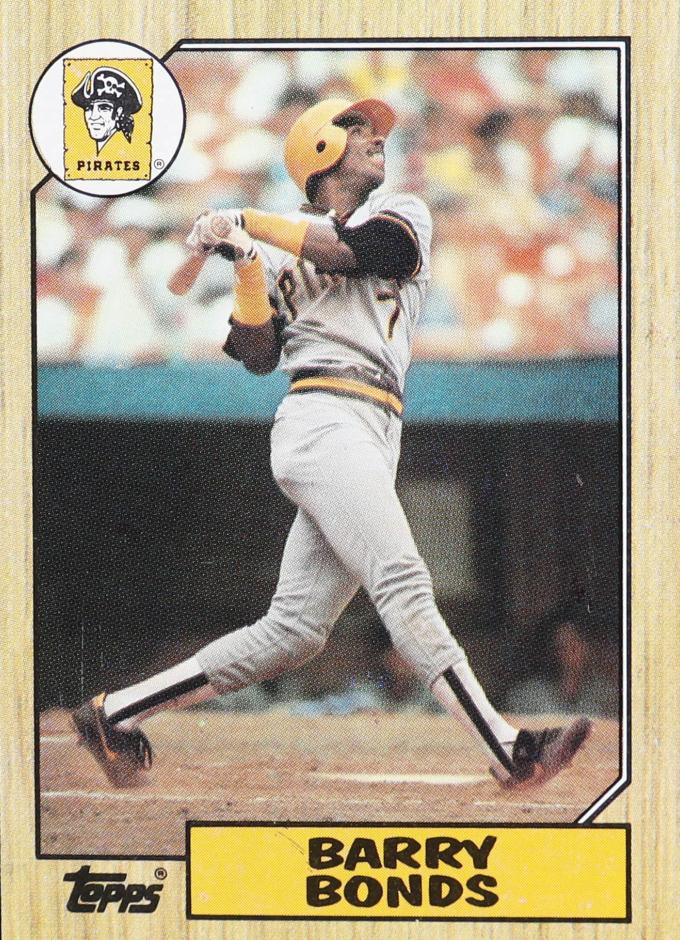
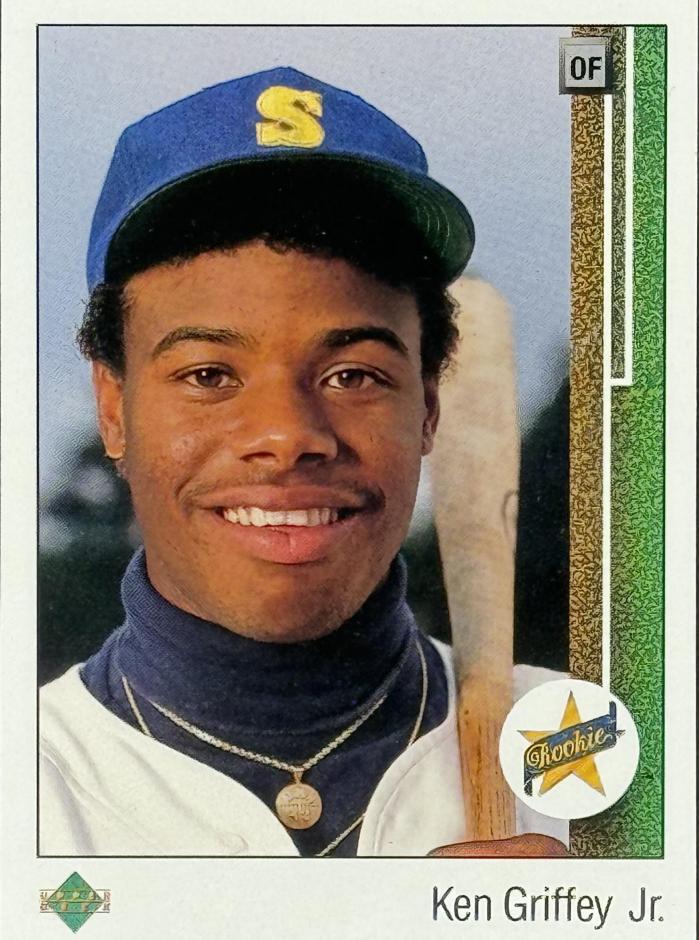
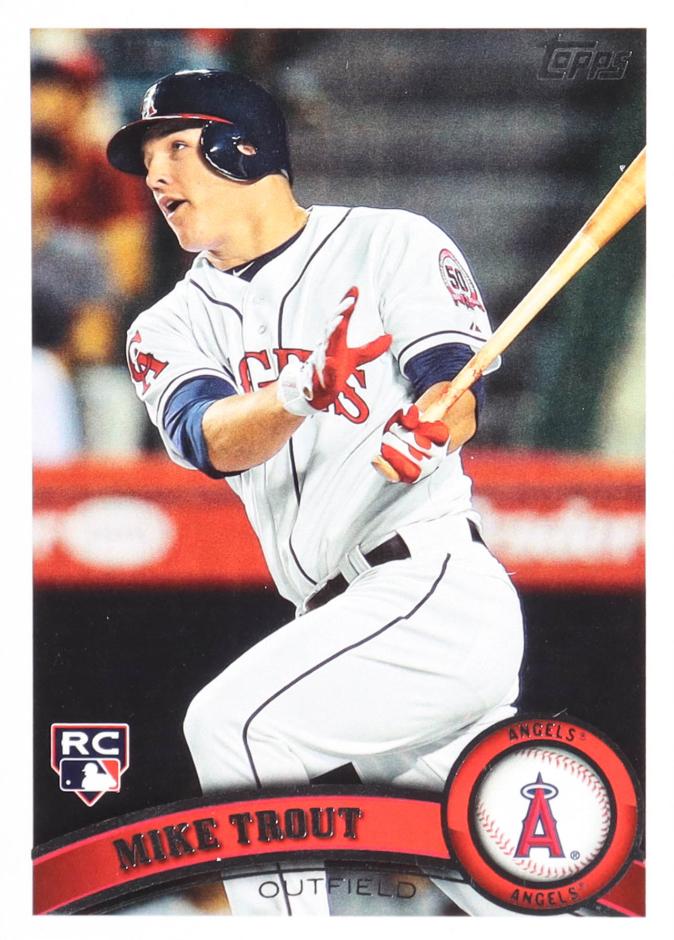

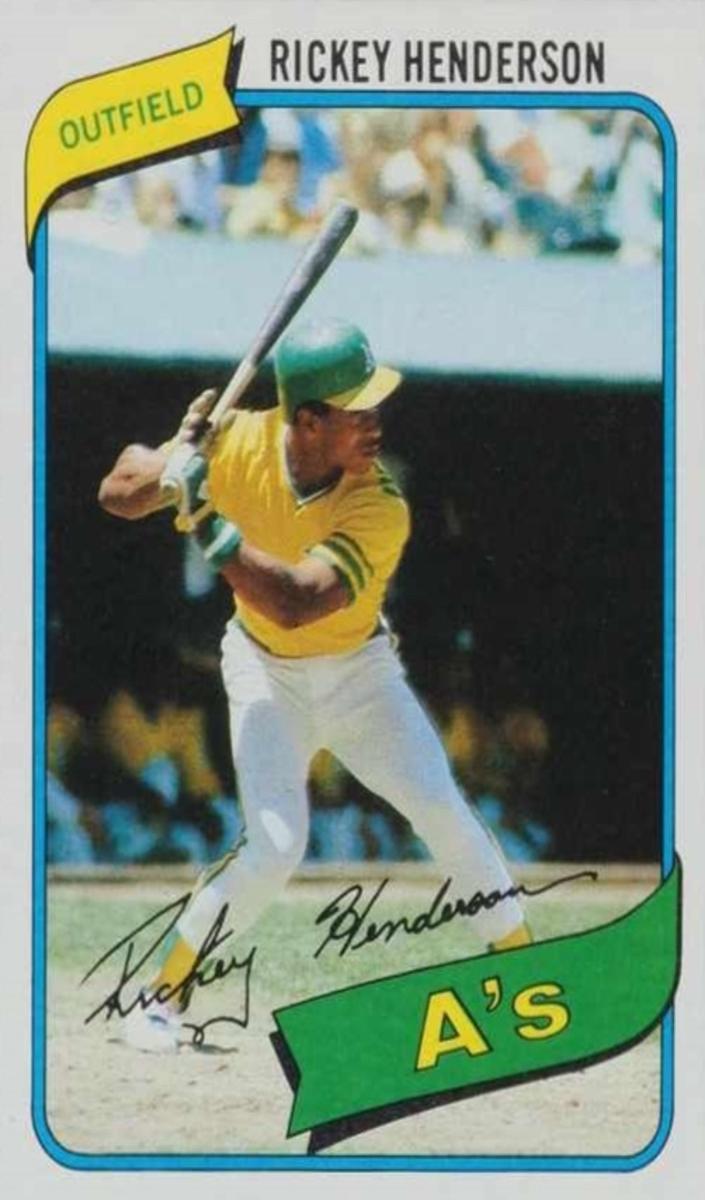

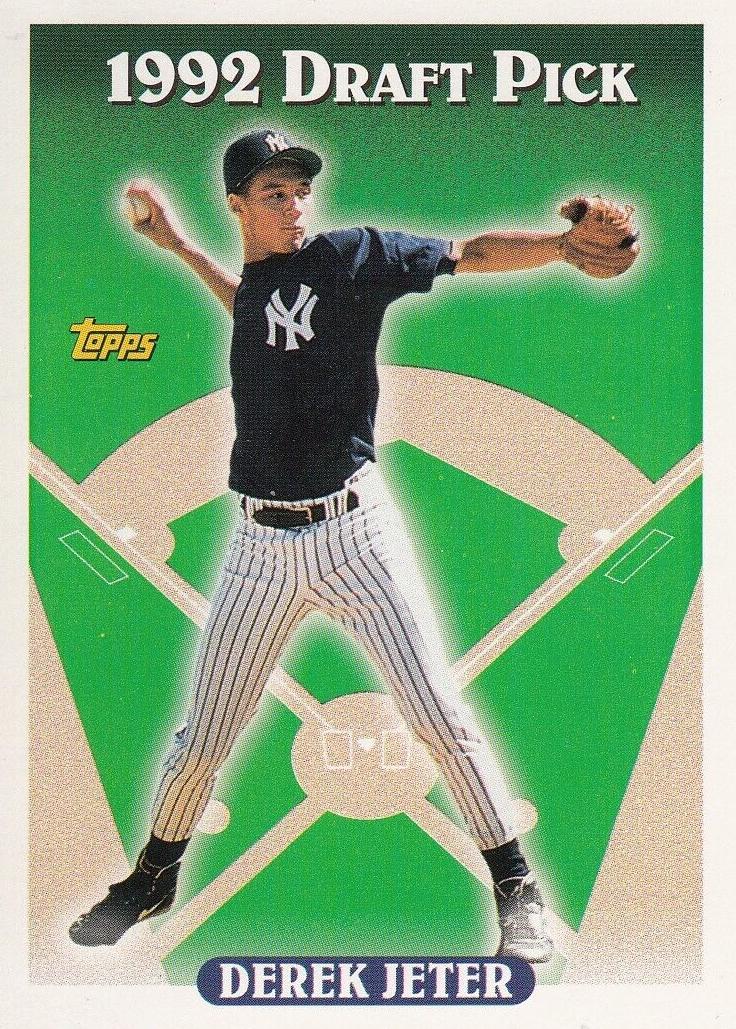

760 indexed values
View all Football values
Football cards

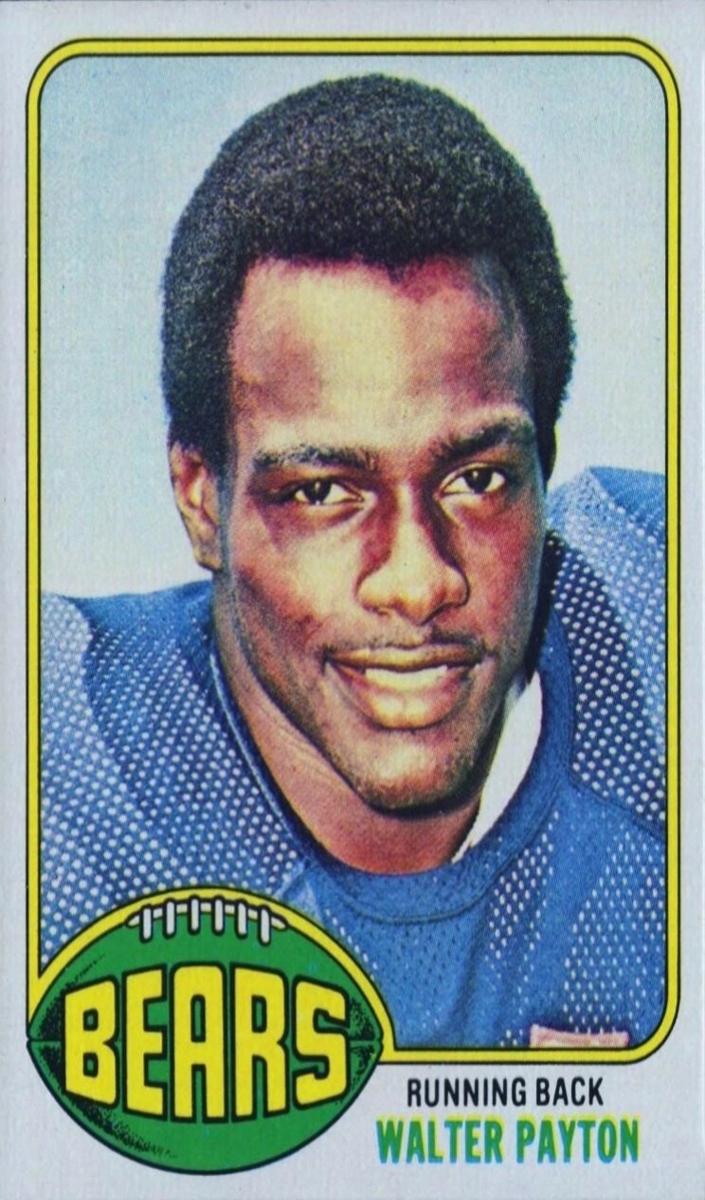

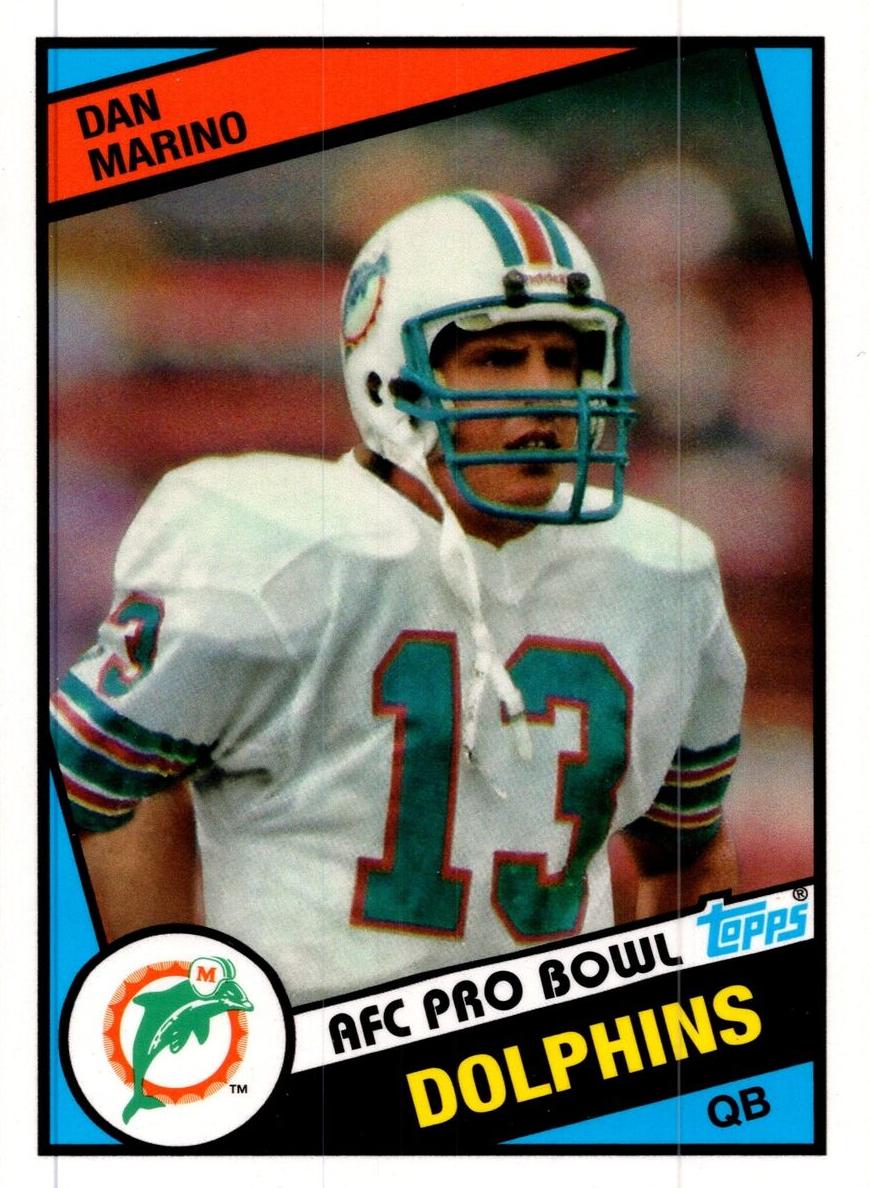

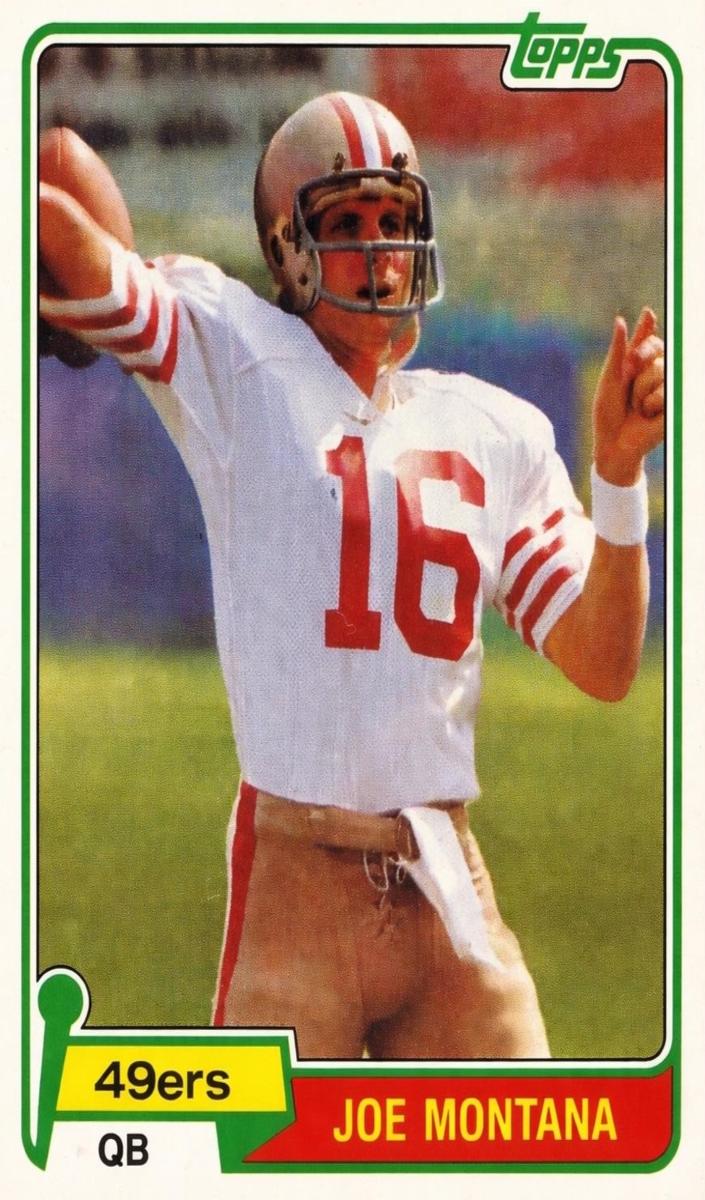
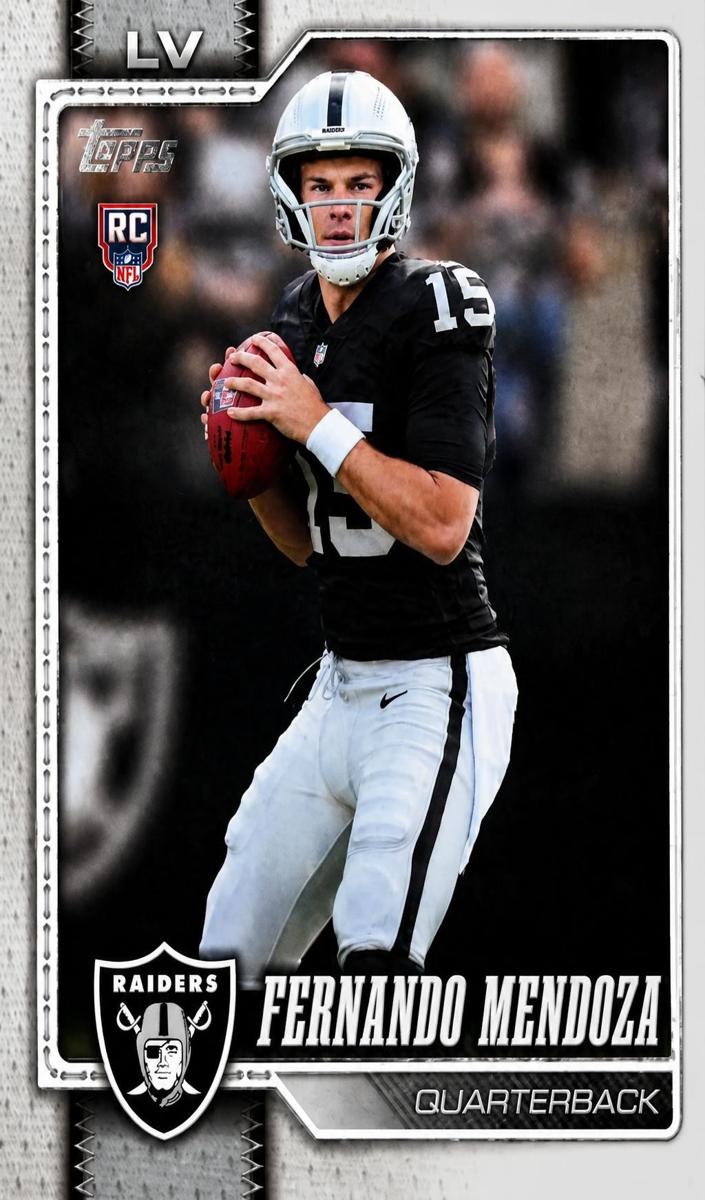

484 indexed values
View all Basketball values
Basketball cards


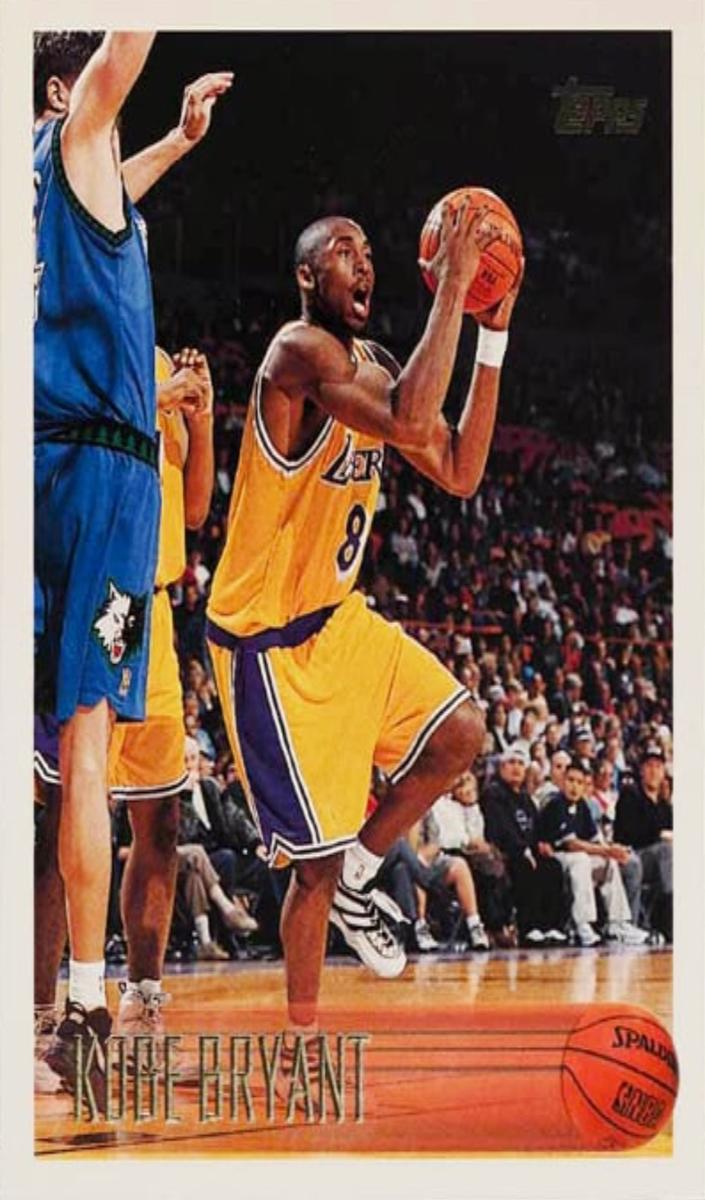



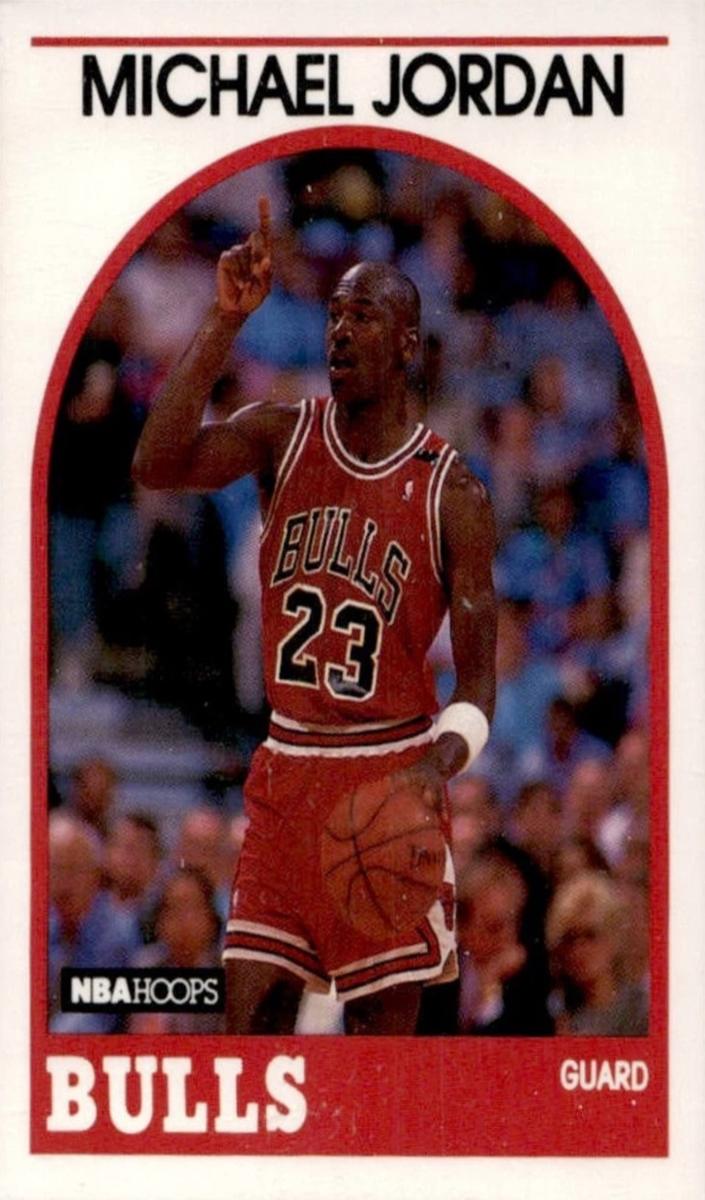
43 indexed values
View all Hockey values
Hockey cards





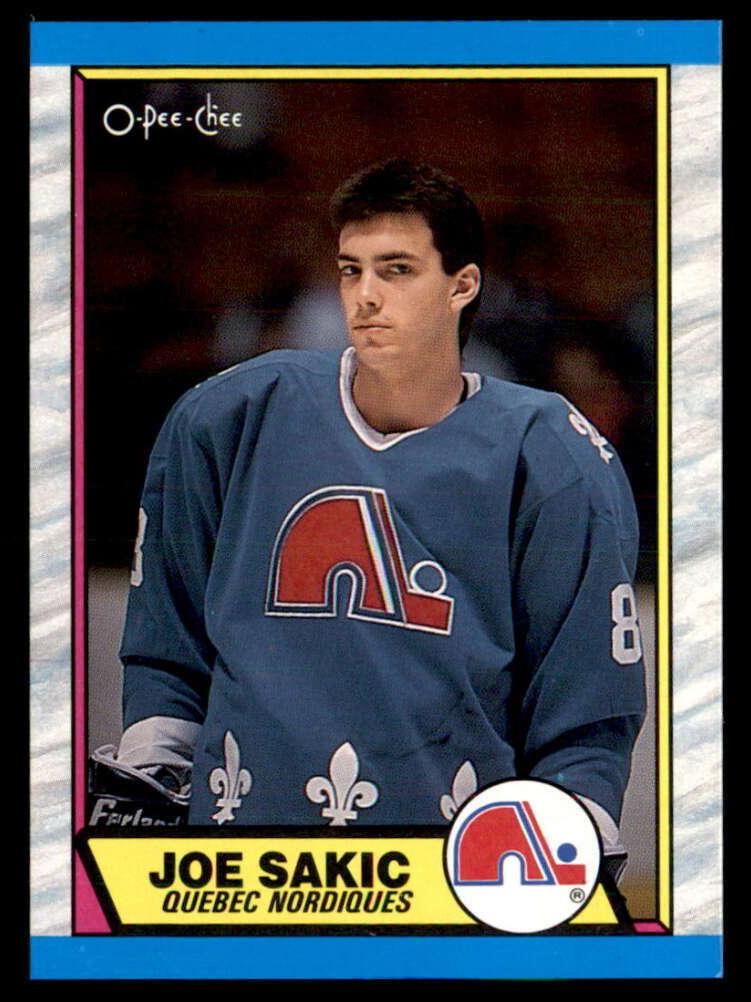
29 indexed values
View all Soccer values
Soccer cards
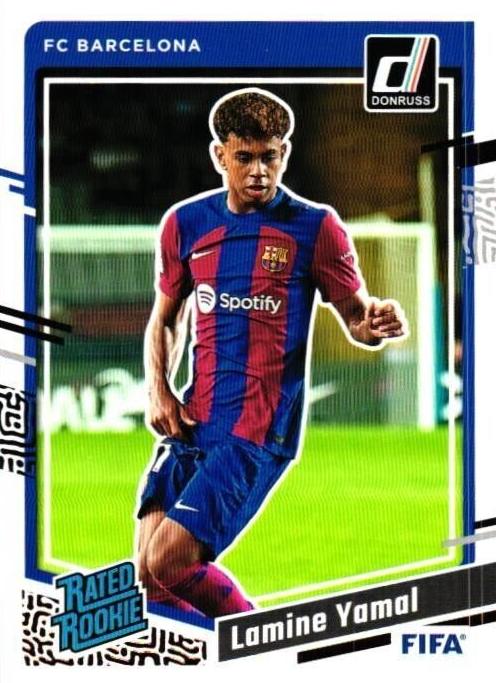
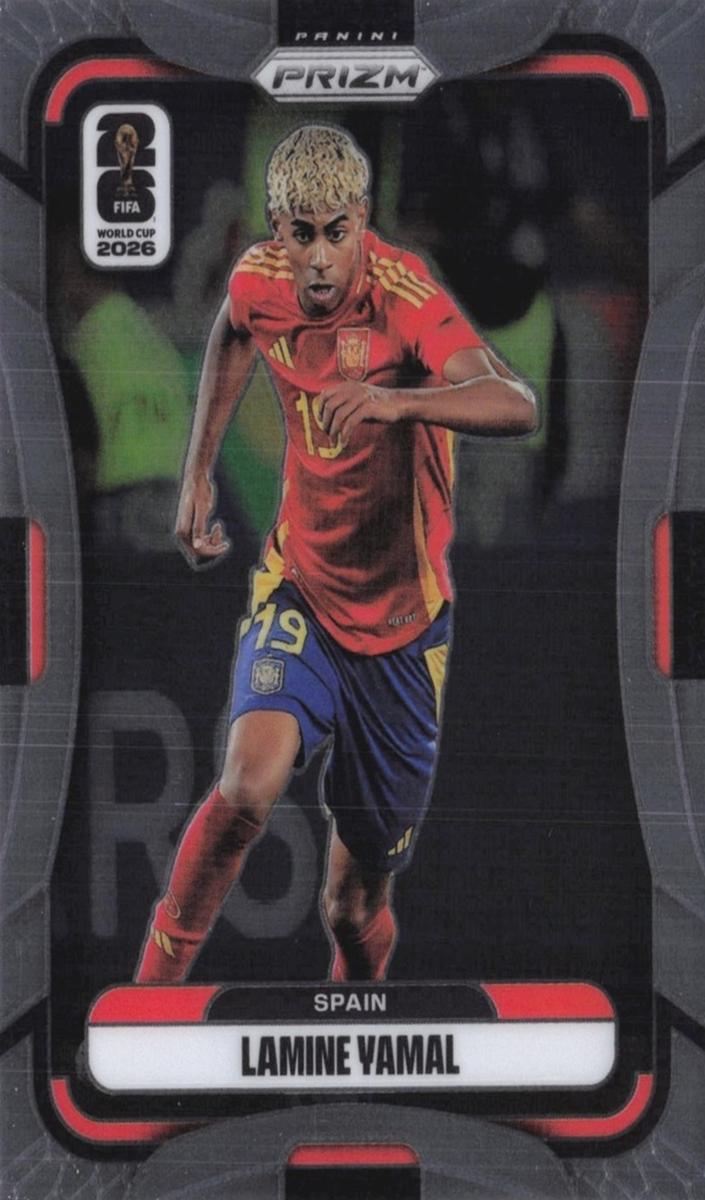
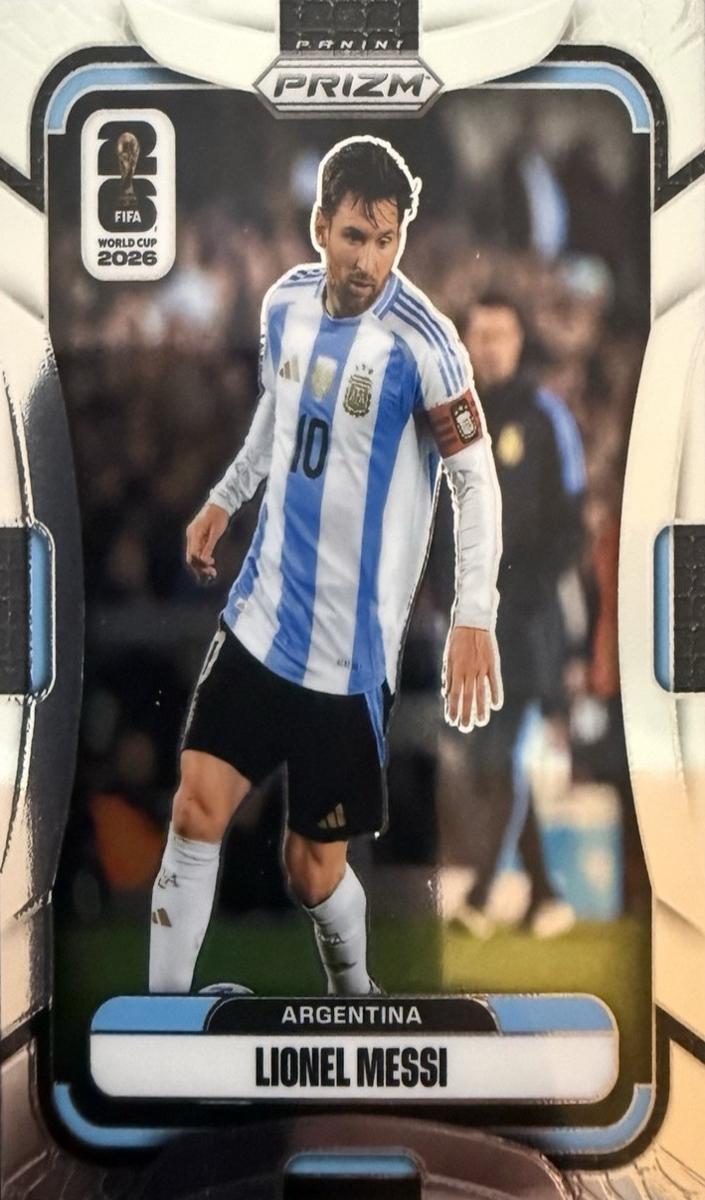

What is in the guide
The guide is built from scans, not from a publisher's checklist. A card gets a page once it has been scanned in the app several times and matched to an exact printing, so the coverage follows what people own rather than what was printed. Pokémon is by far the largest section, with about 6,500 printings and more than 66,000 matching scans; baseball is the largest sports section, with about 1,700 printings and more than 14,000 scans. Football and basketball follow, while Magic, Yu-Gi-Oh!, One Piece, hockey and soccer are smaller and growing.
Two kinds of value
Pokémon and sports cards show market estimates: values by grade, from raw to PSA 10, taken from pricing records for that exact printing. Magic, Yu-Gi-Oh!, One Piece and Dragon Ball Super show rough AI scan estimates instead: ranges summarized from the app's own scans of the card, clearly labeled and never presented as sales. The two are different kinds of evidence, which is why every page says which one it shows. How card estimates work explains both in detail.
The Pokémon and sports sections also carry written guides — one for each sport, for Pokémon as a whole and for every Pokémon year. The scan-estimate sections do not have them yet: the set names in their records come from the scans themselves and still need checking against official checklists.
Finding your exact printing
Every game hides its identity in a different corner of the card:
- Pokémon: the set symbol and the collector number, usually at the bottom of the card. Early Japanese cards show a Pokédex number instead.
- Magic: The Gathering: the expansion symbol on the right of the type line, plus the collector number on modern cards.
- Yu-Gi-Oh!: the set code printed under the artwork, such as LOB-001.
- One Piece: the card code, such as OP01-001, together with the rarity.
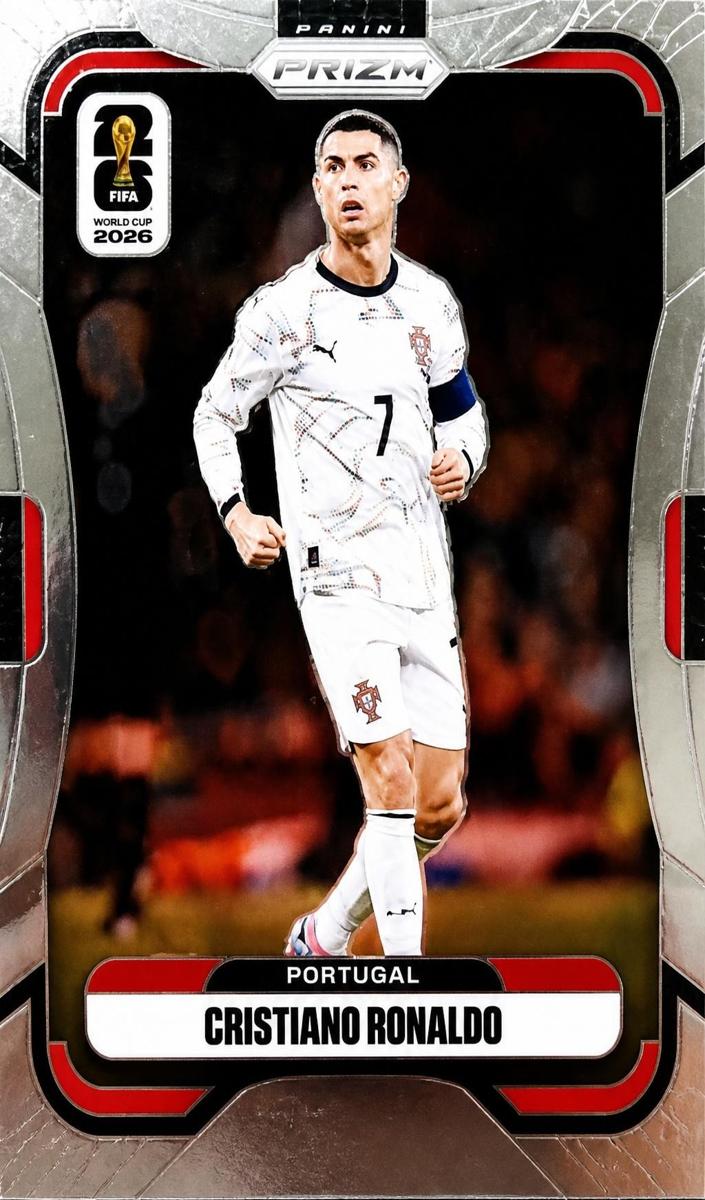
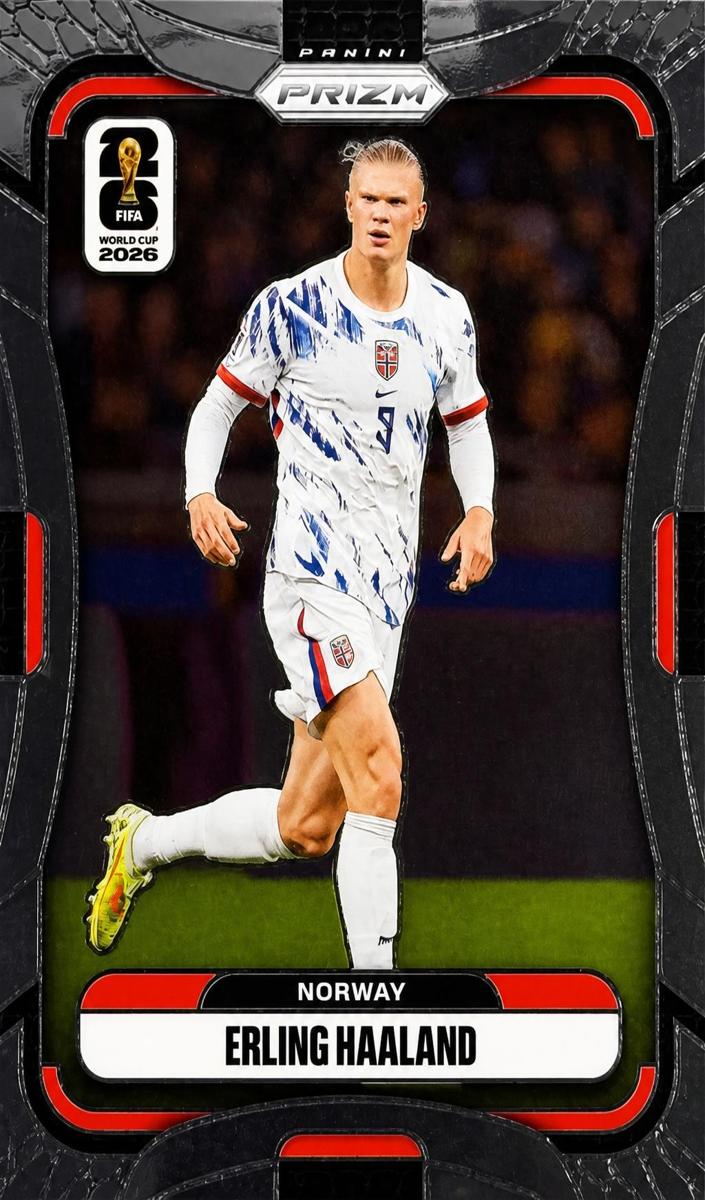
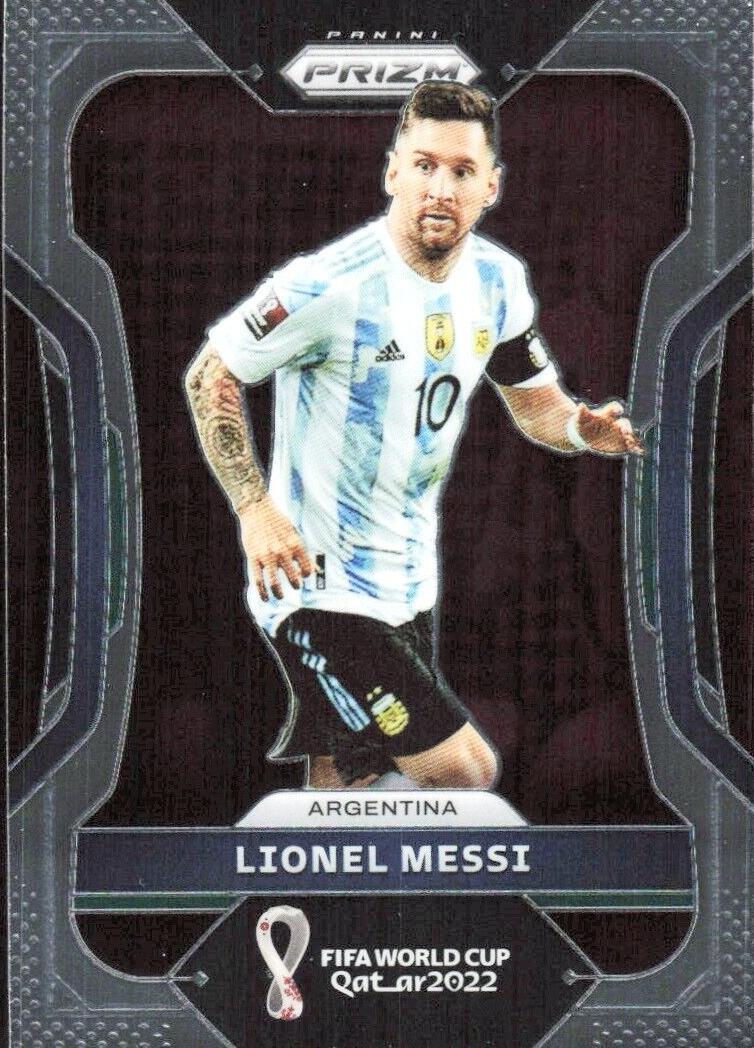
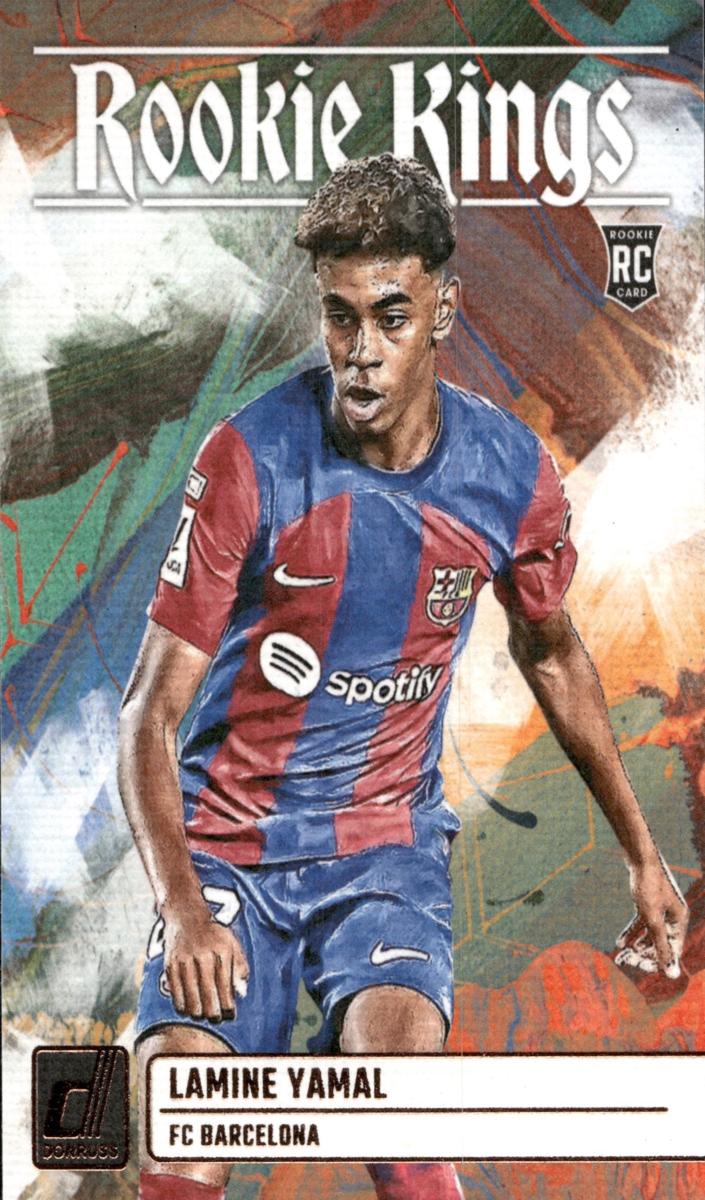
- Sports cards: the year, the brand and the card number on the back, then the finish — a parallel or refractor is a separate printing from the base card, and the rookie card is usually the one collectors want.
The same character or player can appear on hundreds of printings worth anything from a few cents to thousands of dollars, so the name alone never settles a value.
Condition and grading
Every estimate assumes a condition. Market estimates are shown per grade, and the gap between raw and a top grade is often far larger than the gap between two different cards. Professional grades describe centering, corners, edges and surface; the grading scale used by PSA is the most common reference.
If you are not sure which printing you have, scan it in the app. It reads the card, finds the matching page and shows the estimate for that exact printing.
Your copy can be different
Want the value of your exact card?
Scan it to identify the precise print, review condition and save it to your collection.

