
Baseball Card Values & Price Guide
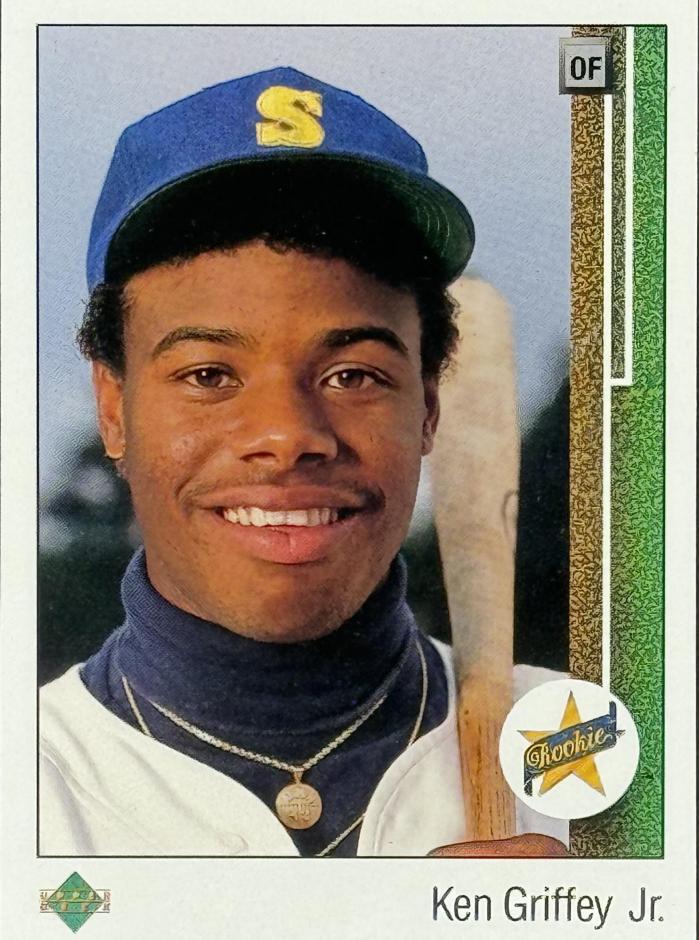
Baseball is the biggest sports section of this guide, and its most scanned card is not a close race. The 1989 Upper Deck Ken Griffey Jr. #1 has been scanned more than twice as often as anything else; the next two are rookie cards from 1983 Topps.
Identify and check your exact copy


1788indexed card records
$0.05–$390,400recorded grade range
Guide coverage
Latest source update Oct 25, 2026What this guide includes
This guide currently covers 1788 indexed card records across 368 sets and 77 years (1909-11–2026). The displayed estimate range is $0.05–$390,400. It reflects records available in TCG Value Scanner, not a complete manufacturer checklist.
Lowest indexed raw or primary estimateDan Quisenberry$0.06
Highest indexed raw or primary estimateJackie Robinson$920
Values are directional estimates rather than guaranteed sale prices. Read how estimates and scan ranges are produced.
From the app
Latest scan Oct 25, 2026What collectors scan
Cards in this guide have been scanned 14,936 times in TCG Value Scanner. The printings scanned most:
- Ken Griffey Jr. #1 1989 Upper Deck Baseball 315 scans · 2%
- Wade Boggs #498 1983 Topps Baseball 137 scans · 1%
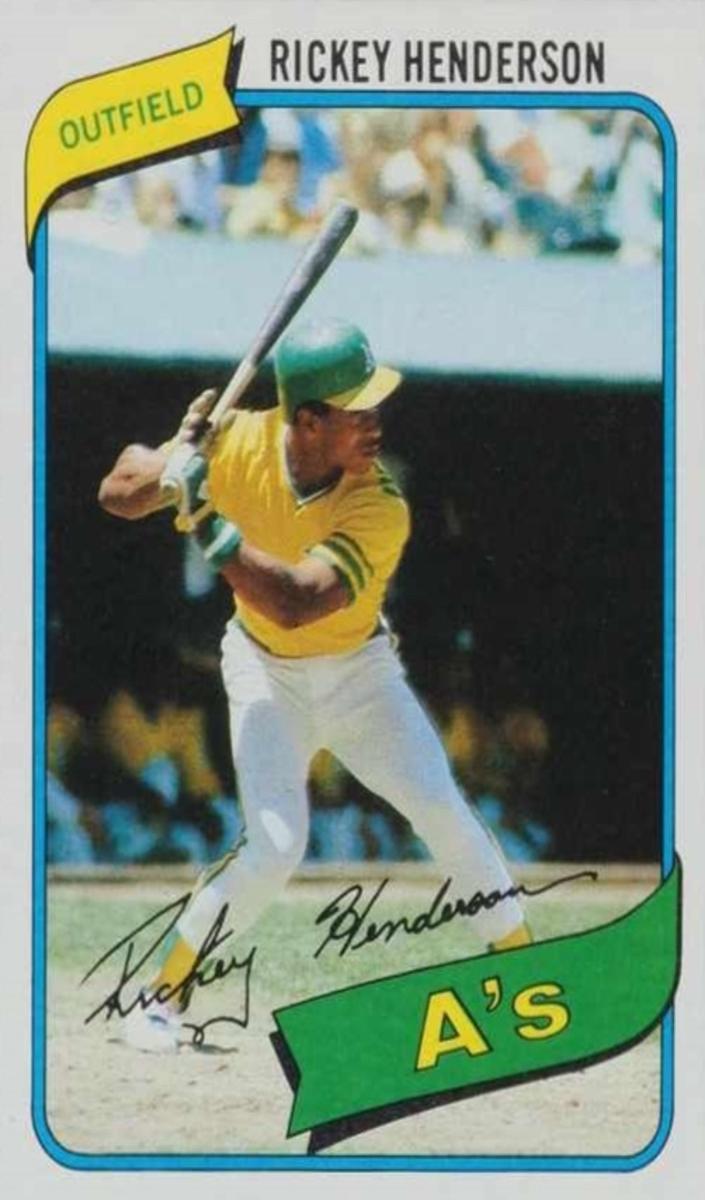
- Rickey Henderson #482 1980 Topps Baseball 134 scans · 1%
Scans by set
- 1991 Topps Baseball9%
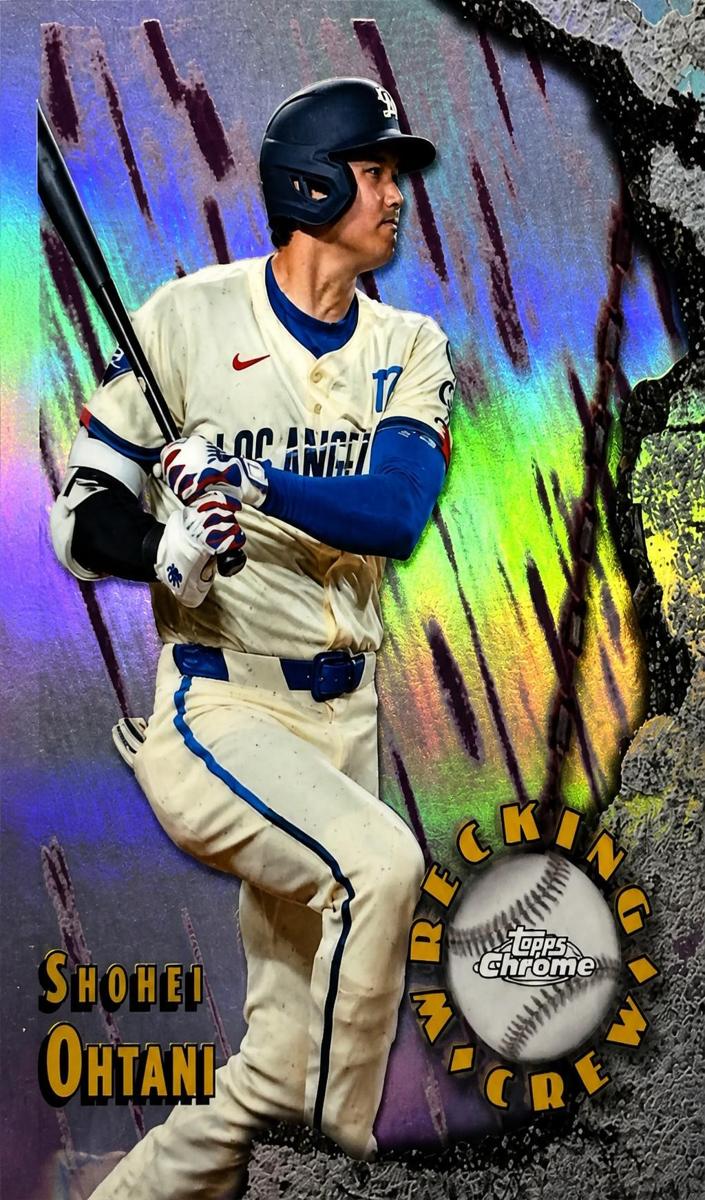
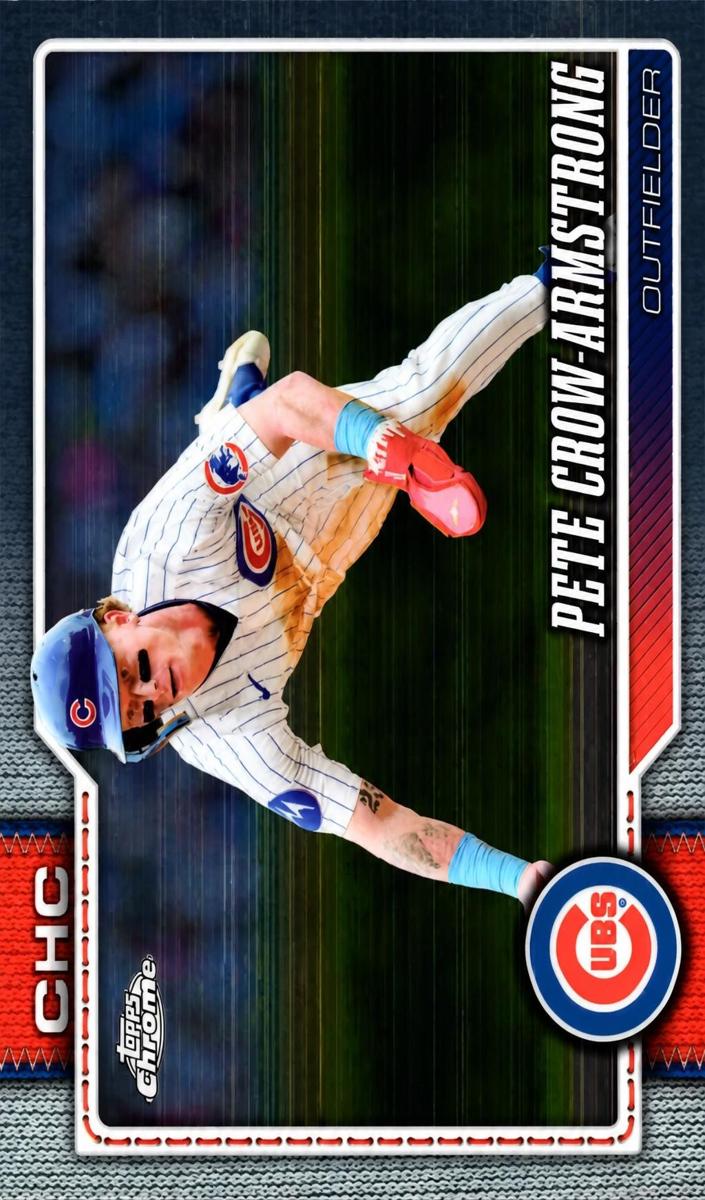
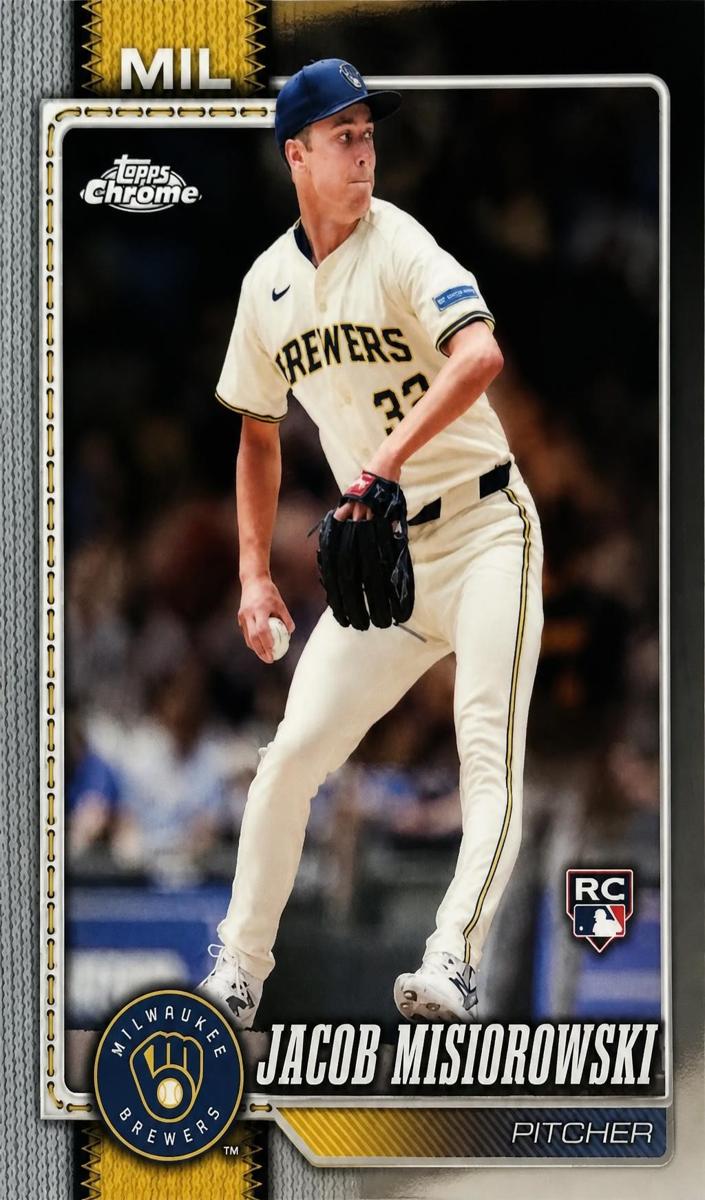
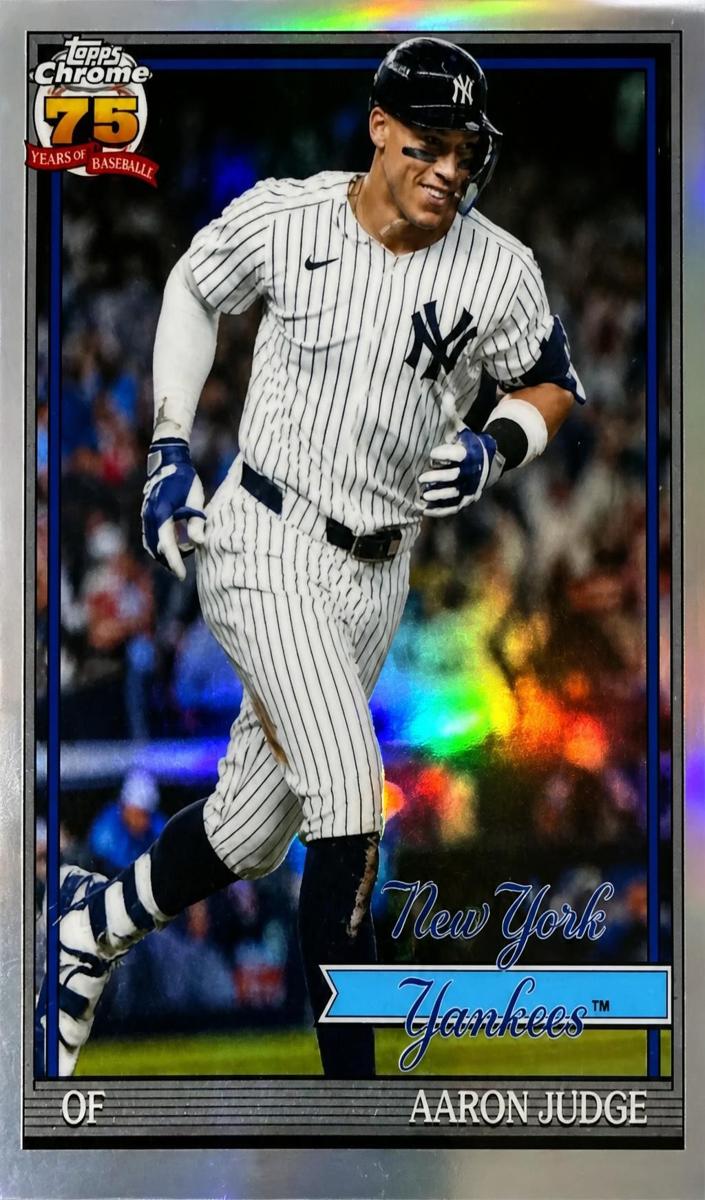
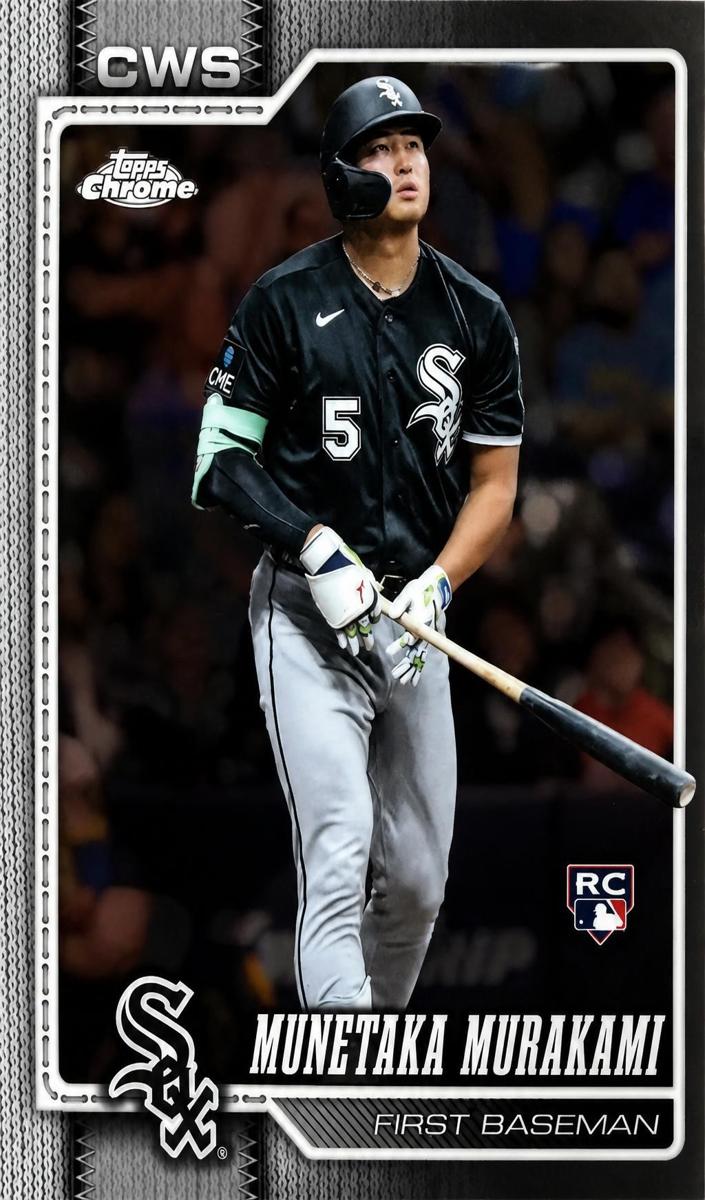
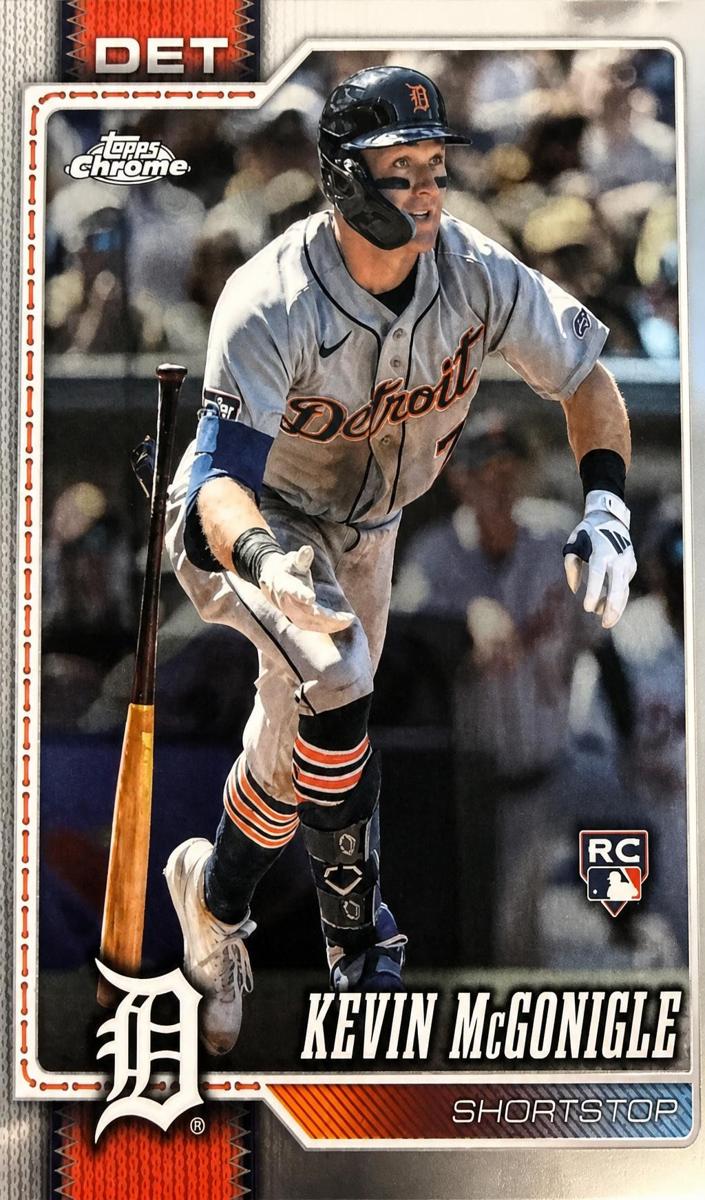
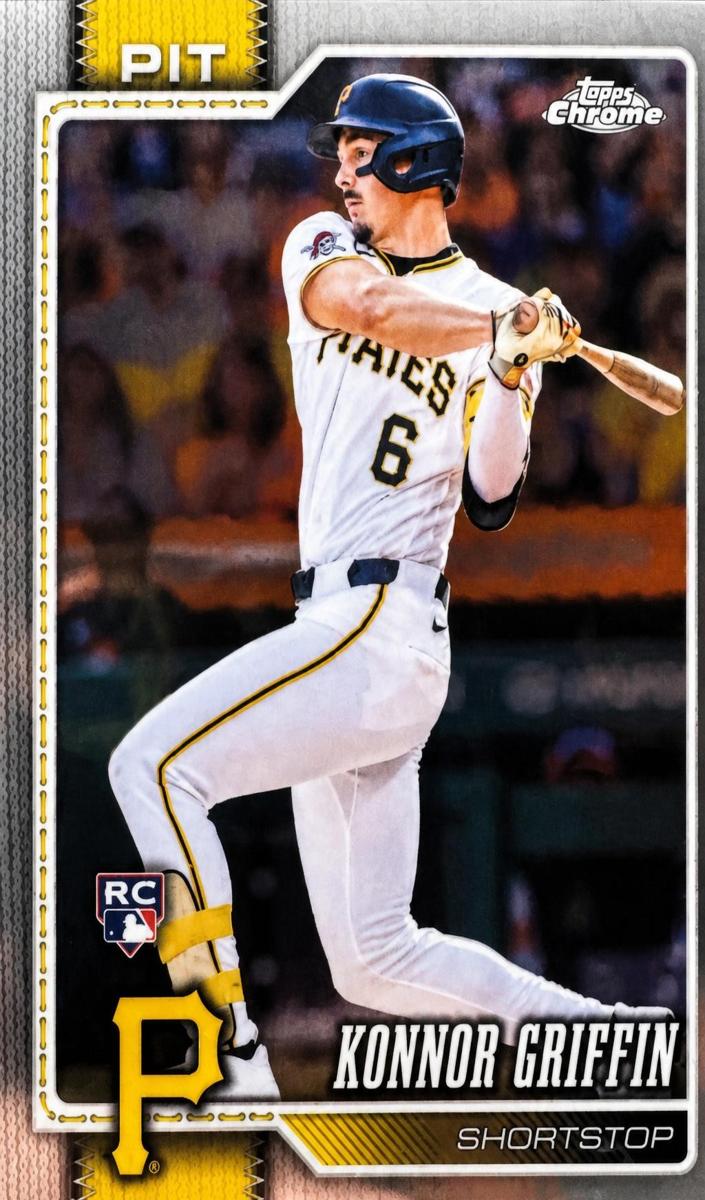
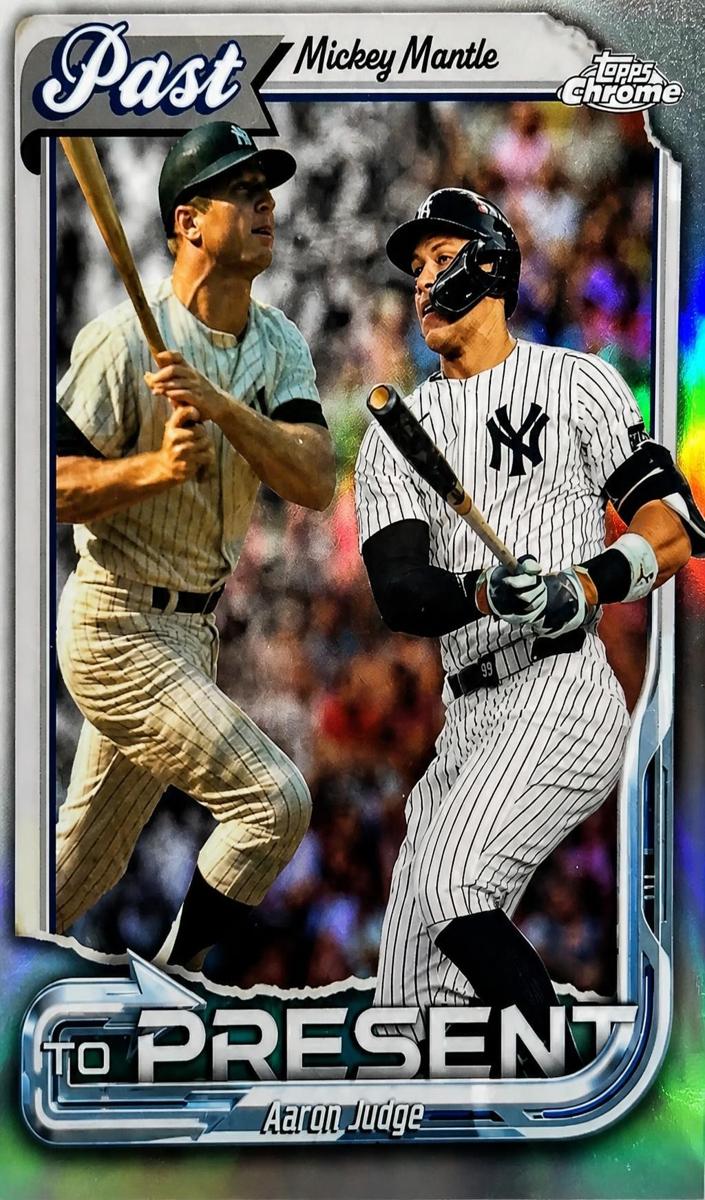
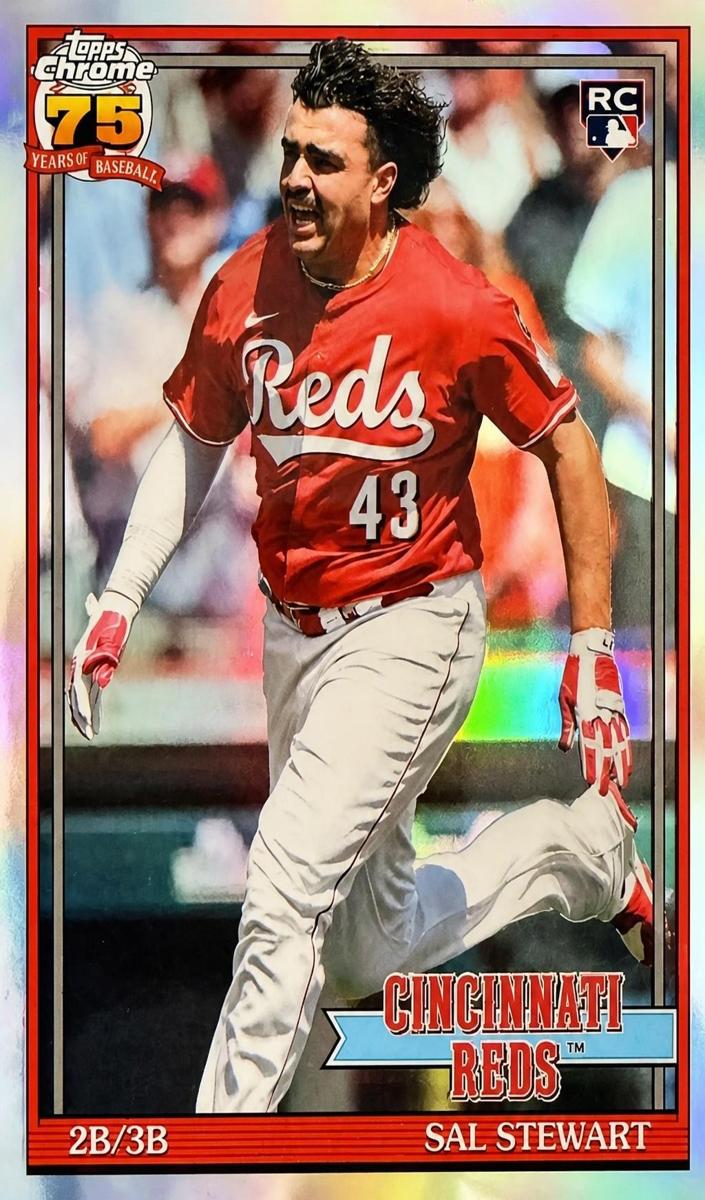
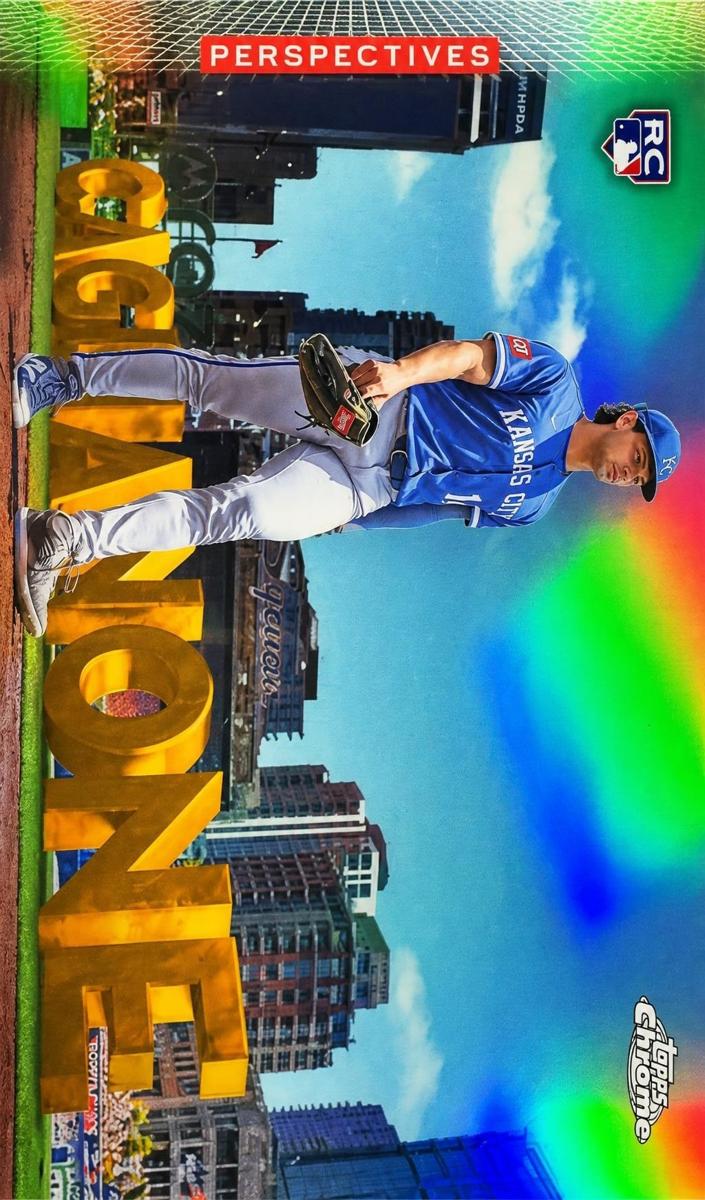
- 2026 Topps Chrome Baseball4%
- 1989 Upper Deck Baseball4%
- 1985 Topps Baseball3%
- 1983 Topps Baseball3%
Indexed estimates
Browse card values on this page





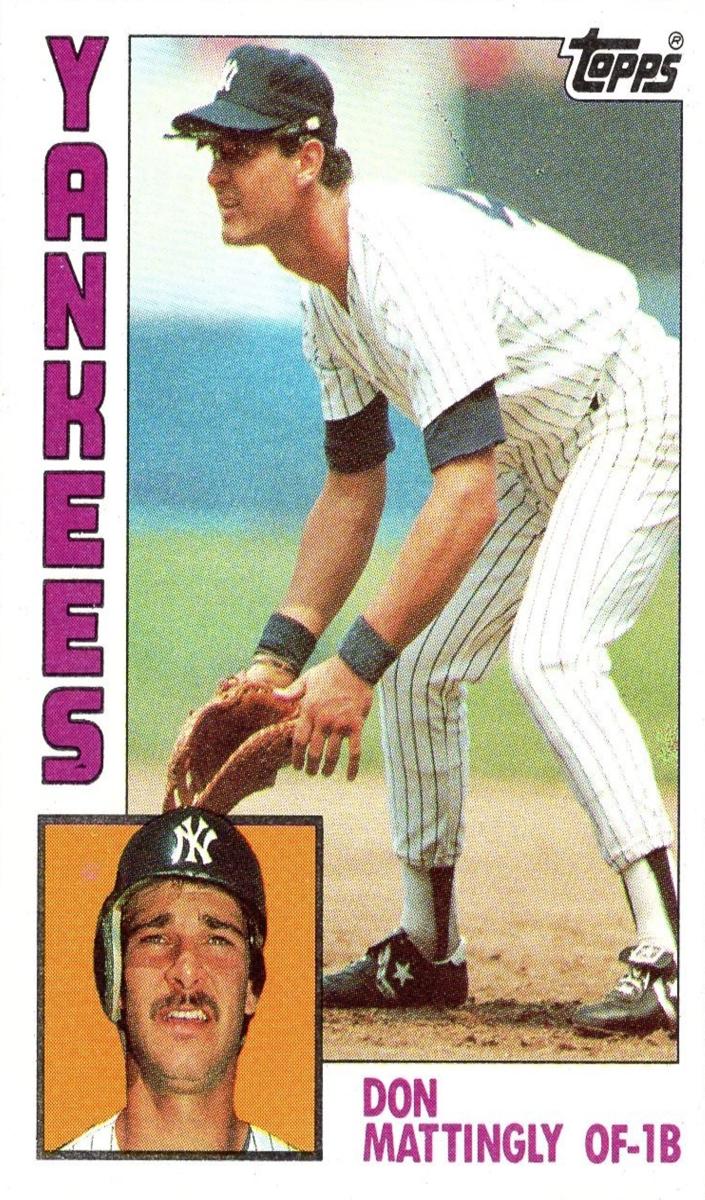


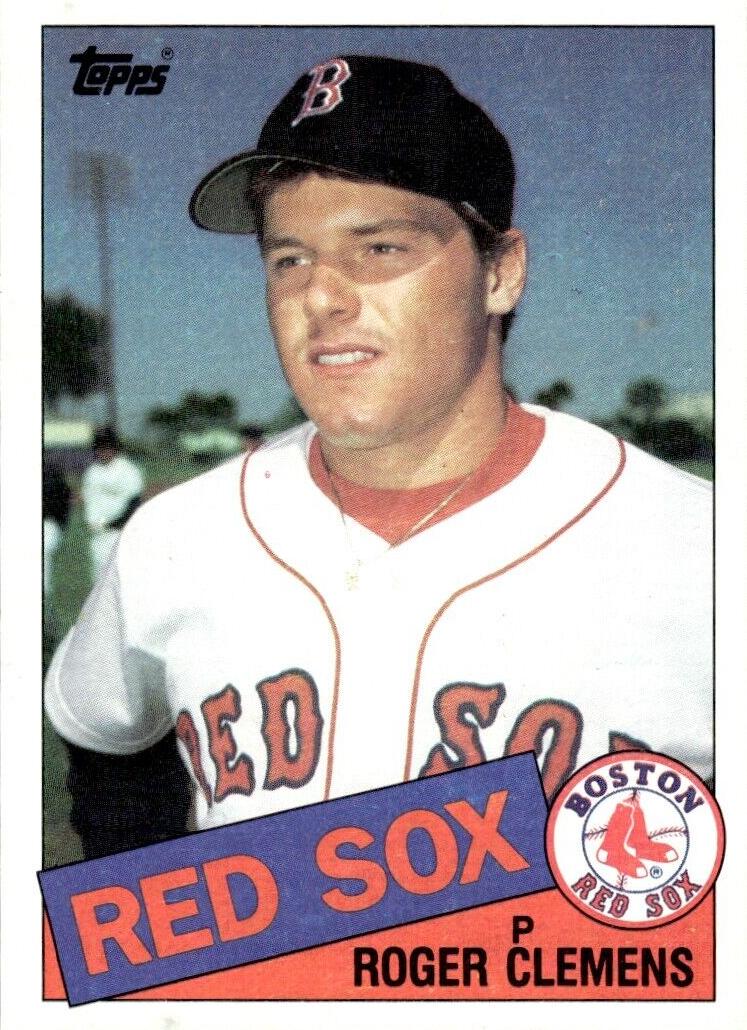
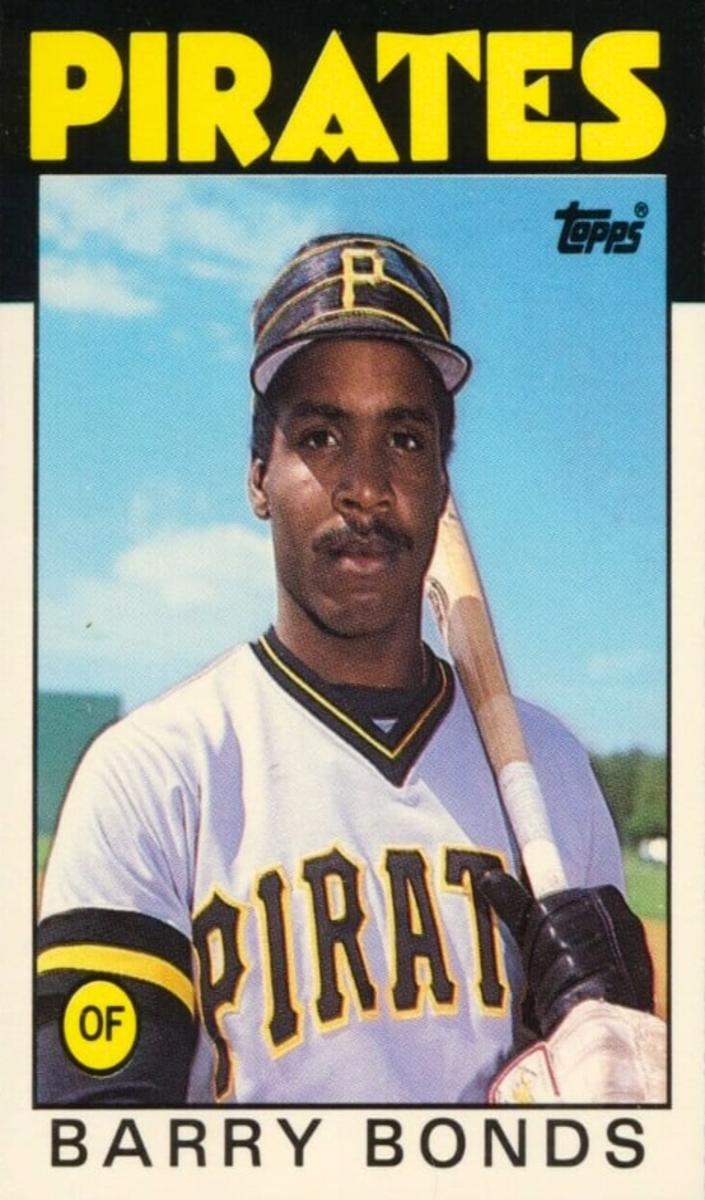


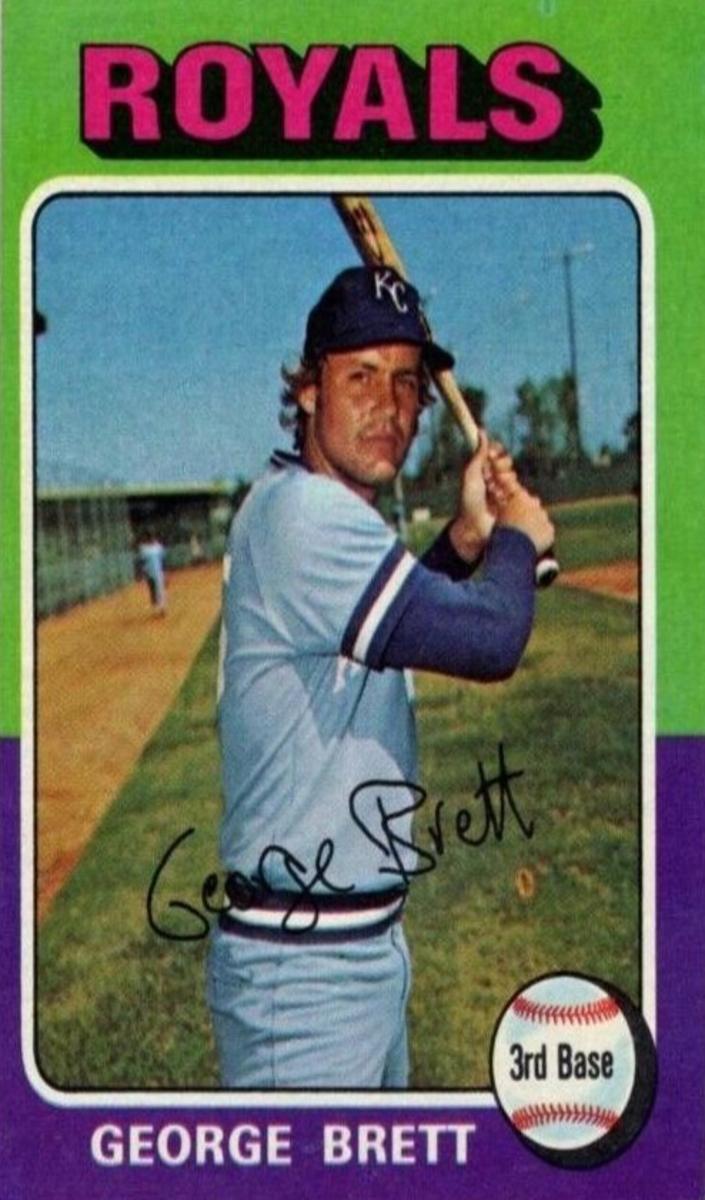






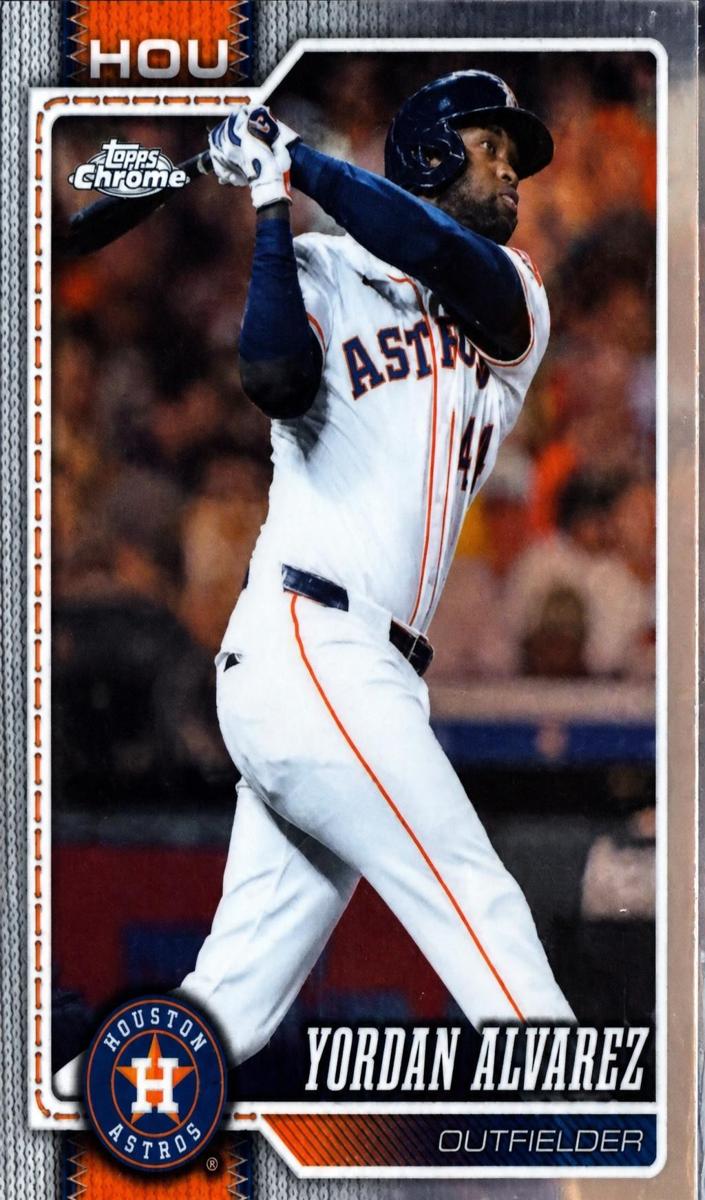
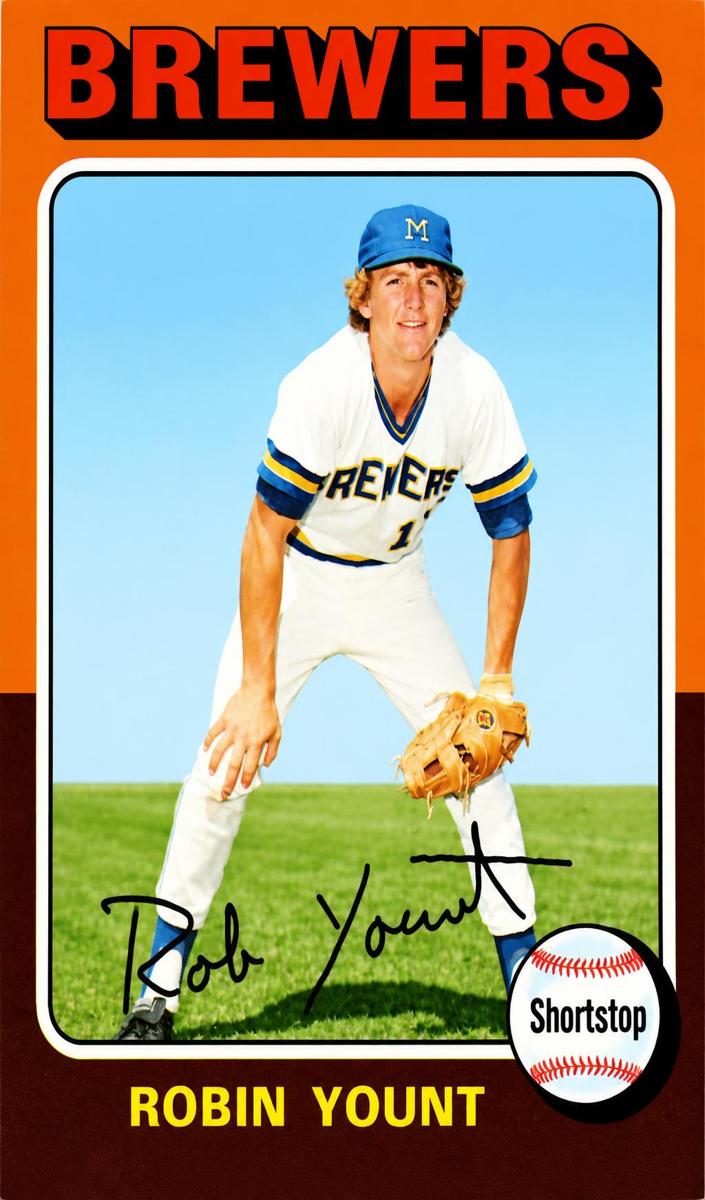

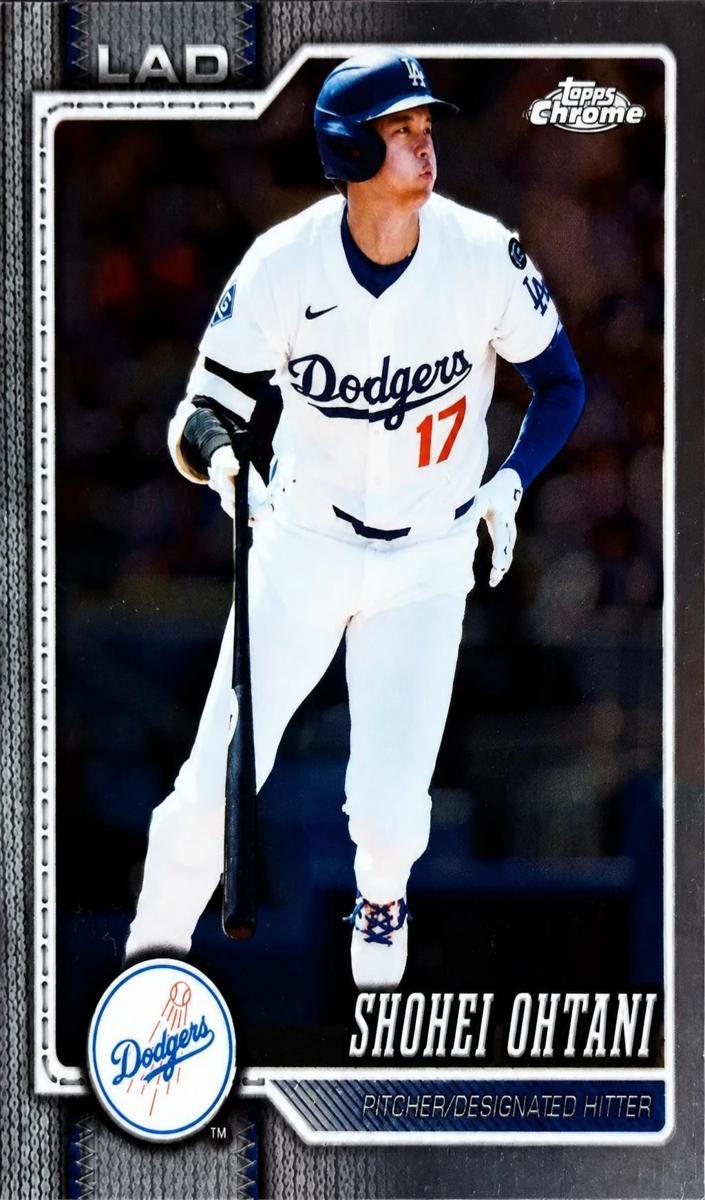
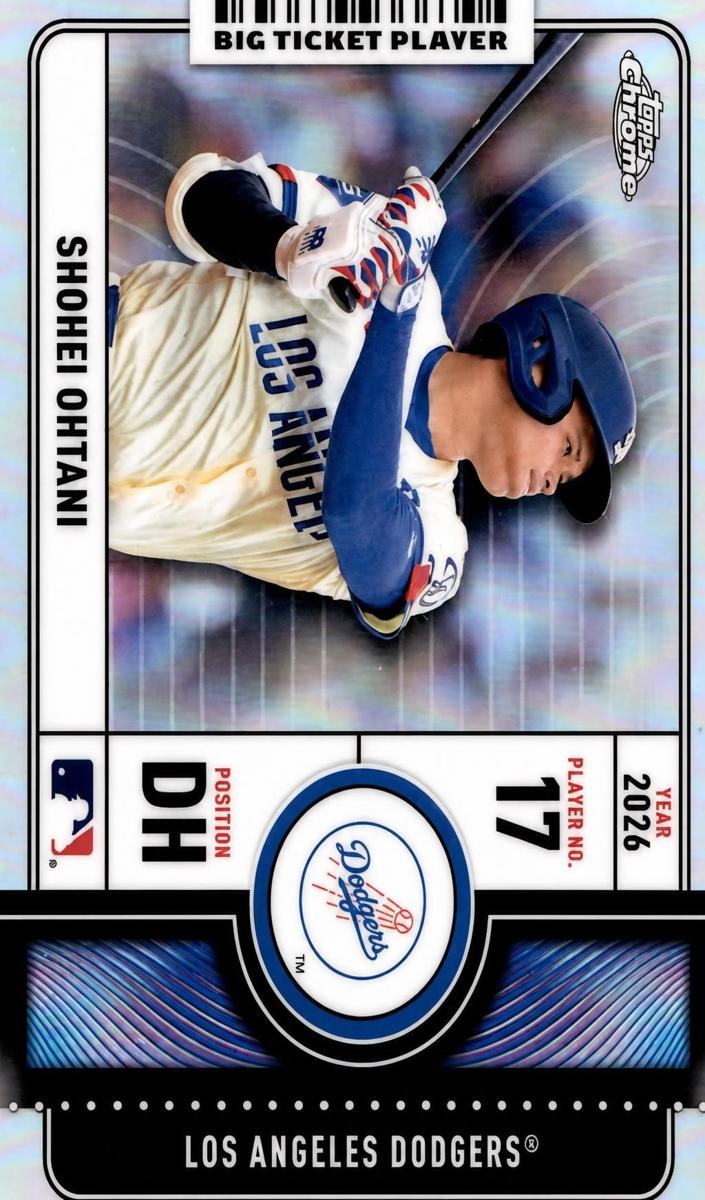



















Why the 1980s dominate the scans
Most of the baseball cards people photograph in the app were printed between the mid-1980s and the early 1990s. Card companies printed enormous runs in those years: Score joined the market in 1988, Upper Deck in 1989, and Topps revived the Bowman name the same year. Collectors call roughly 1986–1993 the junk wax era: the cards were produced, and saved, in such quantities that ordinary cards from those years are still easy to find.
That has a practical consequence. For a card from this period, the player and the condition decide nearly everything. A Hall of Famer's rookie card in sharp condition is worth checking carefully; a common player from the same box usually is not, however old it looks.
The cards collectors scan most
- 1989 Upper Deck #1, Ken Griffey Jr. It is the first card of Upper Deck's first set. The company's young employee Tom Geideman pushed for Griffey to be number one. The set introduced white card stock, color photos on both sides and a small hologram on the back to stop counterfeiters.
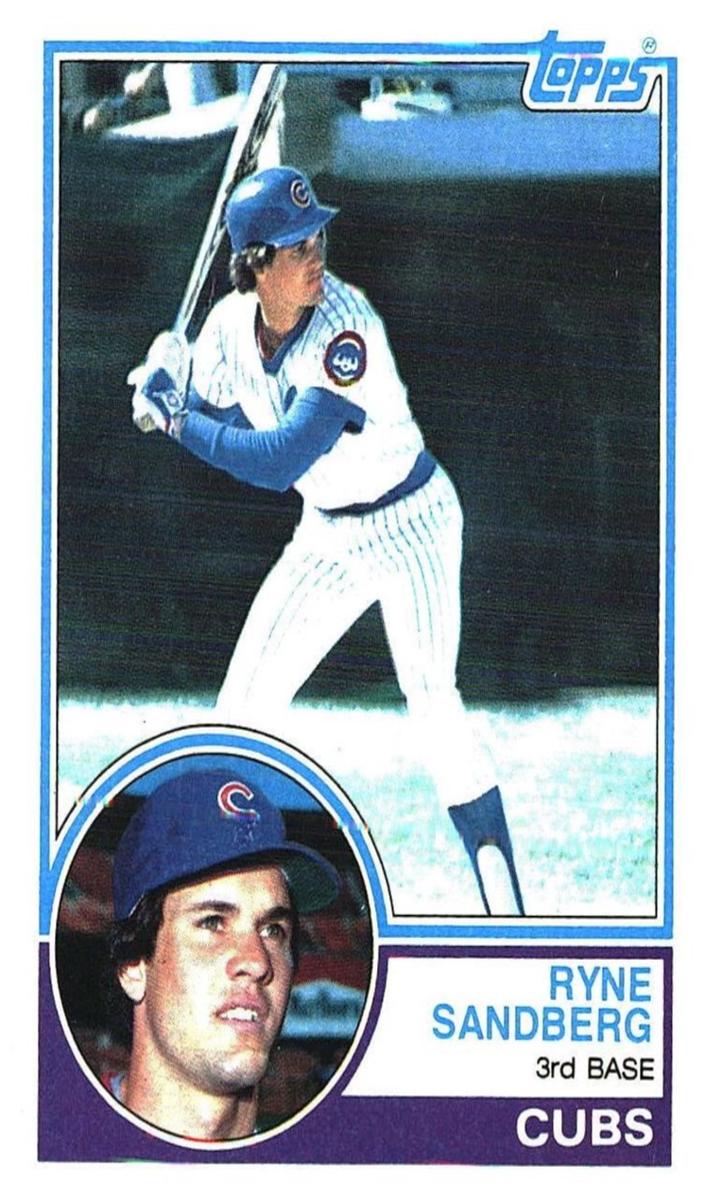
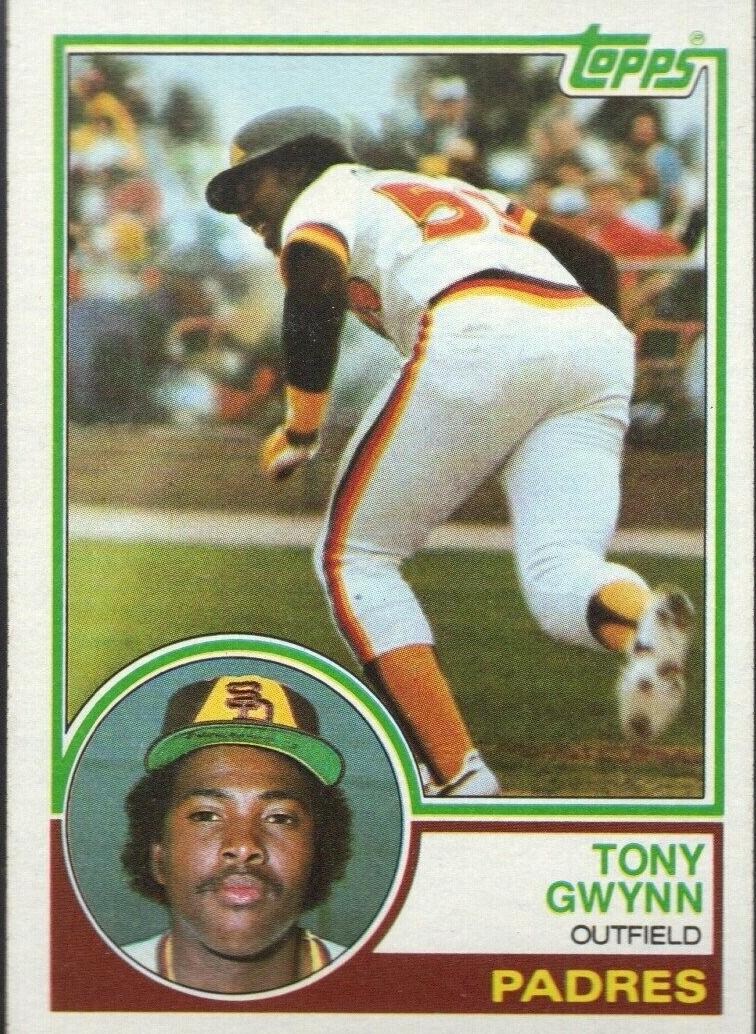
- 1983 Topps #498 Wade Boggs, #482 Tony Gwynn and #83 Ryne Sandberg. One set held the rookie cards of three future Hall of Famers, which is why 1983 Topps keeps turning up in the scan data.
- 1991 Topps. More baseball scans match this set than any other. It carries a 40th-anniversary logo, and Topps marked the occasion by placing original Topps cards from 1951 to 1990 in random packs.
Read the number, not just the name
The same player appears in several sets every year, so the card number on the back is what identifies a printing:
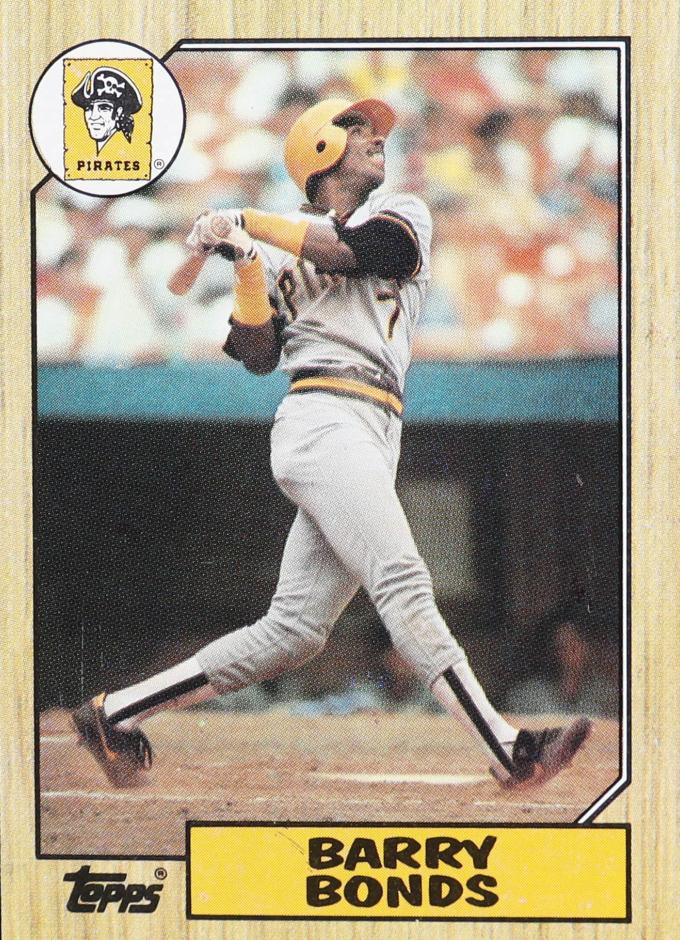
- A "T" after the number marks a Topps Traded card, a separate small set issued late in the season. The 1986 Topps Traded #11T was Barry Bonds's first Topps card; his card in the main 1987 Topps set is #320.
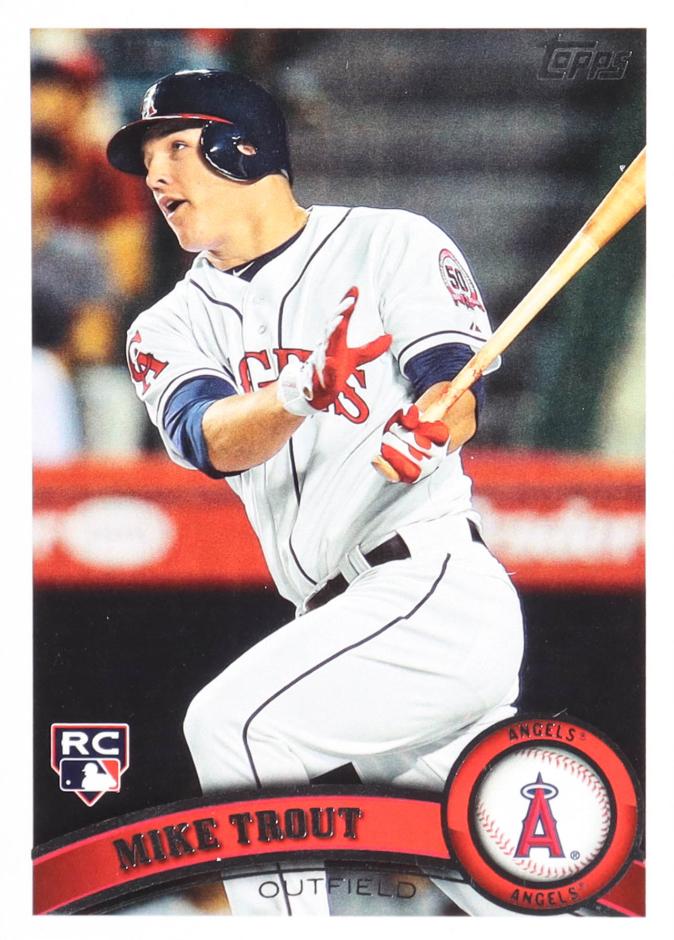
- A "US" prefix marks Topps Update. Mike Trout's 2011 rookie card #US175 belongs to Topps Update, not to the main 2011 Topps set.
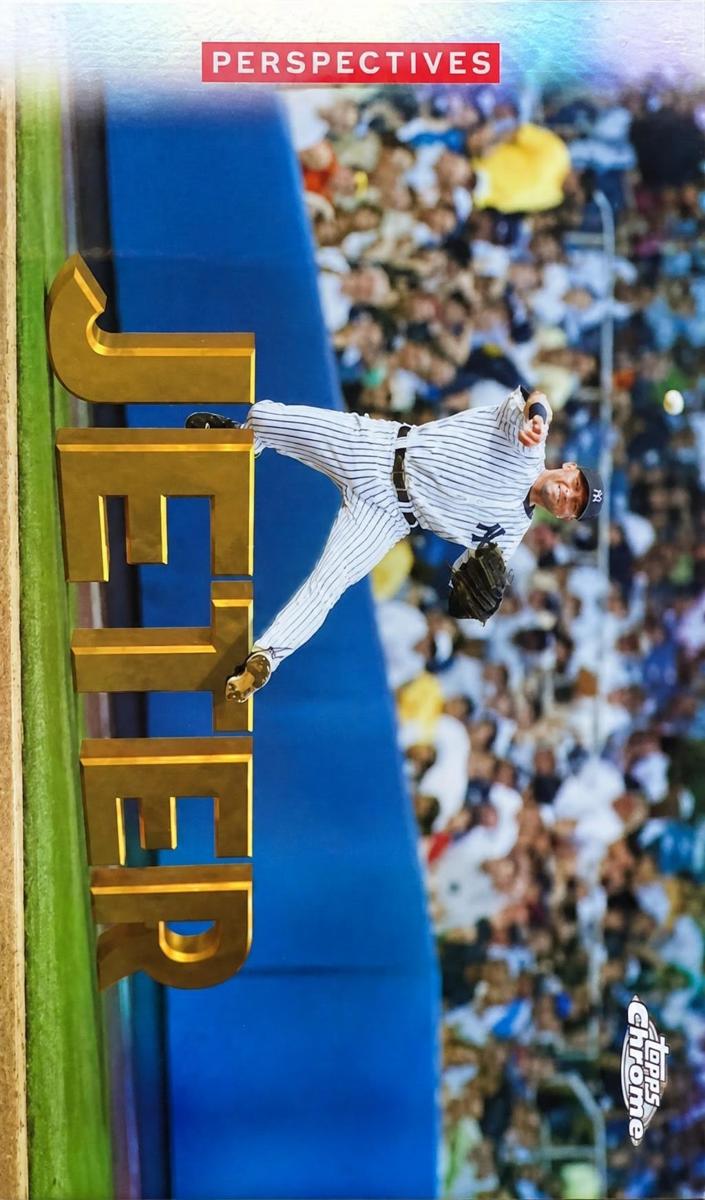
- Letters with a hyphen, such as WC-2 or BTP-3 on recent Topps Chrome cards, usually mark an insert rather than the base card.
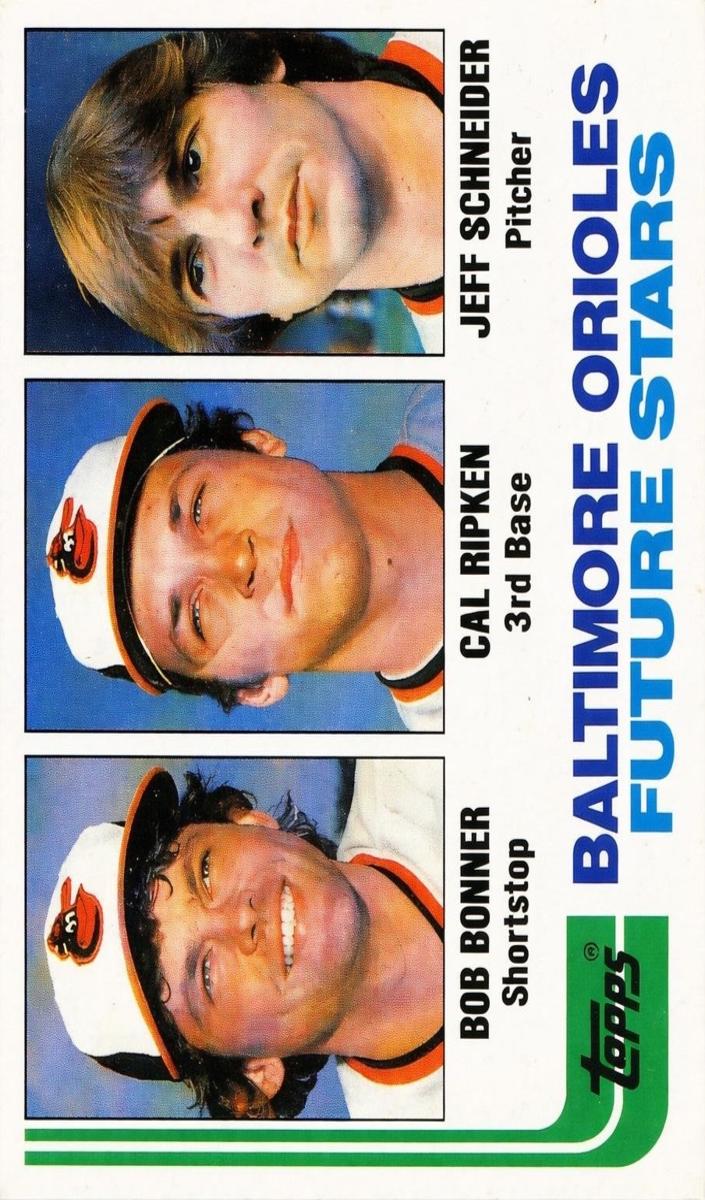
- Several names on one card. Some rookie cards share the photo space: Cal Ripken Jr.'s 1982 Topps #21 is an Orioles Future Stars card with two teammates.
A card from another sport
1991 Upper Deck #SP1 shows Michael Jordan in a White Sox uniform at batting practice. It was a short-printed chase card, three years before his minor-league season in 1994, and it is listed here with the baseball cards because that is the set it belongs to.
Each card page shows estimates by grade, from raw to PSA 10, for that exact printing. Compare the raw estimate with the top grades before paying for grading: with so many well-kept copies around, a mid-grade junk wax card is rarely worth much more than an ungraded one.
Your copy can be different
Want the value of your exact card?
Scan it to identify the precise print, review condition and save it to your collection.